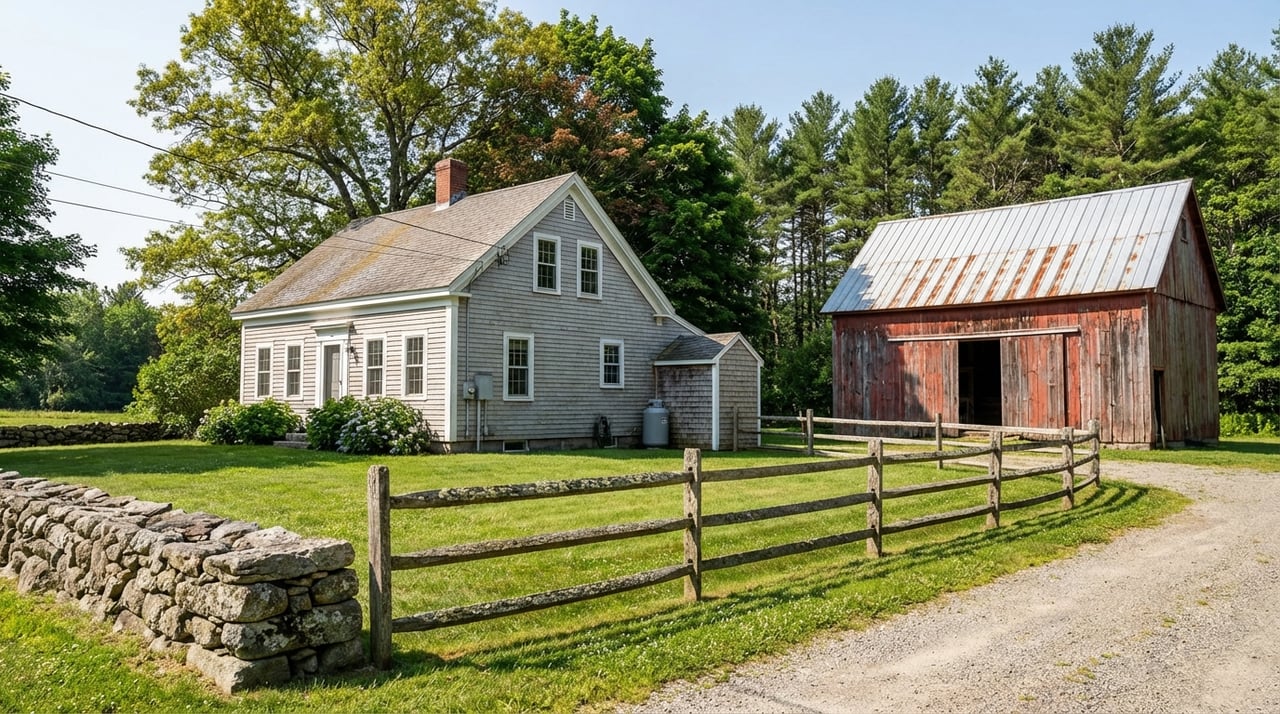
Thinking about a small farm or homestead near the coast where you can keep a garden, a few animals, and breathe easier? Westport, MA offers that rural feel with real working farms and preserved open space around you. But farm and homestead purchases here come with a few extra layers: septic rules, large‑lot zoning, and recorded restrictions. In this guide, you’ll learn what to look for, what it may cost, and who to call before you write an offer. Let’s dive in.
Why Westport fits small farms
Westport is a mostly rural/coastal town with a strong farm culture and many conserved properties nearby. You’ll see both active working farms and preserved parcels protected by Agricultural Preservation Restrictions (APRs) or Conservation Restrictions (CRs). That blend helps keep the area’s farm character intact and can be a big lifestyle win if you value open land and local agriculture.
One thing to know up front: Westport uses large‑lot residential zoning in many areas. That shapes what’s on the market and how you can use a property once you buy.
Lot sizes, frontage, and usable acres
Typical residential zoning in Westport calls for a minimum lot area of about 60,000 square feet, which is roughly 1.38 acres. Many lots also carry fairly generous frontage requirements. As a general example, a standard 60,000 square foot lot may require 150 feet of frontage, and there are minimum upland requirements for building and septic design. The town also offers a flexible‑frontage option where reduced frontage may be allowed if the lot size is much larger.
The key takeaway is simple: new sub‑acre homesteads are rare unless they were created long ago and are now grandfathered. Always verify the current frontage, setback, and upland rules with Westport’s Building Department and Planning Board before you assume a parcel is buildable the way you want.
What you can do on your land
Westport supports agriculture and uses programs like Chapter 61/61A to reduce taxes on land kept in farm use. Some on‑farm activities, such as seasonal farm stands or certain agricultural processing, are treated differently from non‑ag businesses. By contrast, non‑ag commercial uses in residential areas usually need separate zoning approvals or business registration.
If you plan any income‑producing activity, check your specific use with the Town Clerk and the Building Department. Confirm whether it qualifies as agricultural and what registrations or permits apply.
Critical due diligence before you buy
Use this checklist to protect your budget and timeline:
- Title and restrictions: Ask your attorney and title company to look for recorded APRs, CRs, easements, and rights‑of‑way. APRs and CRs can limit development and, in some cases, require agricultural use in perpetuity.
- Septic and Title 5: Order a current Title 5 inspection and request all septic plans on file with the town. If a property still has a cesspool, know that Westport’s Board of Health requires upgrades by the local deadline and enforces state rules. Expect repair design and costs where a system fails or lacks a viable replacement area.
- Nitrogen‑sensitive systems: New state nitrogen rules target sensitive watersheds. Depending on location and design, you may need an enhanced system that reduces nitrogen.
- Private well testing: Many homes rely on private wells. Test for bacteria and nitrates, and review any available well logs. Confirm well and septic setbacks.
- Flood and wetlands: If the property sits near the coast, a stream, or mapped wetlands, check FEMA flood risk and ask the Conservation Commission about required permits. Confirm whether any past work on the property has an open Order of Conditions that needs a Certificate of Compliance before closing.
- Soils and upland: Get soils mapping and verify how much contiguous upland you actually have for a house, barn, and septic. Wetland pockets can shrink your usable area.
- Utilities and services: Westport is mostly unsewered. Verify any claims of water or sewer access and confirm electric and broadband options. If a future sewer is planned along a corridor, note how that could affect long‑term value.
- Access and frontage: Confirm legal frontage, whether the road is public or private, and year‑round access. Some private ways have added lender or Planning Board requirements.
- Outbuildings and barns: Pull permit history for all existing structures. Unpermitted buildings may need retroactive permits or removal.
Zoning and environmental rules in Westport can materially affect what you can do with a property, from how many animals you can keep to whether a barn conversion needs a new septic system. Use this post as a high‑level checklist, and confirm every point with the Westport Building Department, Board of Health, Conservation Commission, and your attorney before you sign an offer.
Septic, wells, and real costs
For many buyers, the septic system is the biggest swing item in both cost and timing. Massachusetts Title 5 rules apply on sales and use changes, so plan for an inspection and be ready to interpret the results with a local septic designer. Westport enforces local septic regulations tied to nitrogen sensitivity and has extended its cesspool closeout deadline to February 1, 2028. If the property has a cesspool or a failing system, you should expect an engineered repair design and a meaningful budget line.
New 2023 state rules for nitrogen‑sensitive watersheds may require enhanced treatment systems for new builds and some repairs, depending on your site and the town’s watershed plans. These improved systems can cost more up front but may be necessary for approval.
Private wells are common. Budget for water testing that covers bacteria and nitrates, and confirm proper setbacks from your leach field. Ask for any well logs on file.
Flood, wetlands, and conservation overlays
If the property falls within coastal or inland flood zones or near mapped wetlands, plan on extra steps. You may need Conservation Commission permits for shoreline work, docks, or any work within buffer zones. Also check whether any historic permitting on the parcel resulted in an Order of Conditions that still needs a Certificate of Compliance. Clearing that ahead of closing avoids delays.
Older farmhouses and barns: what to expect
If you’re drawn to a classic farmhouse, plan for typical New England issues:
- Lead paint: Homes built before 1978 require federal lead disclosures on sale, and any renovation that disturbs paint calls for EPA lead‑safe practices. If children will live at the property or you plan renovations, consider a lead inspection or risk assessment.
- Wiring and heating: Knob‑and‑tube wiring, old fuse panels, or aging boilers are common. A full home inspection plus an electrician’s review is wise, especially if you plan to power a shop or add outbuildings.
- Buried oil tanks: Look for records of removal or abandonment. If a tank is suspected, consider an environmental inspection due to potential cleanup costs.
- Foundations and moisture: Older homes near wetlands or low areas can have drainage and rot concerns. A structural inspection can save you from surprises.
- Outbuildings: Verify uses and permits for barns and sheds. Conversions to guest spaces or rentals can trigger building, zoning, and septic upgrades.
Horses and livestock basics
Westport maintains local rules for keeping animals. Expect registration or approval processes for certain uses, and know that larger or commercial operations, such as boarding stables or kennels, often need special permits and inspections. Most residential owners are limited to a small number of dogs without a special permit. For any barn or stable plan, account for:
- Siting and setbacks that respect neighbors and minimize nuisances.
- Manure storage and runoff control to protect nearby wetlands or water bodies.
- Pasture layout, fencing, and any APR/CR limits that affect where you can place improvements.
Taxes, APRs, and preserved land
Many Westport farms participate in Chapter 61 or 61A programs that reduce property taxes when land remains in agricultural or open‑space use. These programs can come with a town right of first refusal when the land is sold under certain conditions. Also, APRs and CRs are common on larger parcels and can limit development while preserving agricultural use. Ask the seller and the Assessors about current Chapter 61/61A status and have your attorney and title company check for any recorded restrictions.
Local conservation groups and state programs have preserved thousands of acres in and around Westport. That helps protect the rural character but also means some large parcels will not be available for subdivision into smaller homesteads.
Utilities and access: no assumptions
Westport remains mostly unsewered, and public water or service lines may exist only along specific corridors. Treat any “water available” note as a starting point. Confirm service availability, tie‑in costs, and any future sewer planning that could change long‑term economics. Check electric service provider and broadband options early, especially if you need reliable connectivity for home‑based work or on‑site operations.
Access and frontage matter for both zoning and lending. Confirm your road is public or, if private, that it is maintained and accessible year‑round. Private ways can carry added lender conditions and Planning Board requirements when you try to create or confirm a buildable lot.
A simple purchase game plan
If you want a smooth path to closing, use this sequence:
- Walk the land with a surveyor’s plan. Mark likely house, barn, and septic areas. Note wetlands and slopes.
- Order a Title 5 inspection and pull septic and well records from the Board of Health. If you need a repair design, get a quick estimate from a local septic designer.
- Ask the Building Department and Planning Board to confirm zoning district, frontage, setbacks, and any flexible‑frontage options. Verify upland minimums.
- Call the Conservation Commission about mapped wetlands, prior filings, and whether a Certificate of Compliance is needed for old permits.
- Have your attorney and title company search for APRs, CRs, rights‑of‑way, and any recorded Orders of Conditions.
- Pull permit history for barns and outbuildings and schedule a full home inspection plus specialists as needed (electric, HVAC, lead, environmental).
- Update your budget and timeline. Septic and site work can add meaningful cost and time; plan accordingly.
Who to call in Westport
Use the Town of Westport’s Contacts Directory to find current phone numbers for these offices, then call to verify rules and records for your specific property:
- Building Department / Zoning Enforcement: Zoning district, setbacks, frontage, permitted uses, building permit history.
- Planning Board / Town Planner: Subdivision rules, frontage waivers, flexible‑frontage provisions, site plan process.
- Board of Health: Title 5 records, cesspool upgrade deadlines, local septic rules, loan/tax‑credit programs, private well guidance.
- Conservation Commission: Wetlands maps, filing requirements, Orders of Conditions, Certificates of Compliance.
- Assessors: Chapter 61/61A status, tax records.
- Town Clerk: Local business certificate rules and animal licensing; how agricultural businesses are treated for local registration.
Ready to shop for a homestead?
Buying a small farm or homestead in Westport is about balancing lifestyle with due diligence. Large‑lot zoning, septic and well details, and recorded restrictions can all shape what you can build and how you can operate. With a clear process and the right team, you can move from idea to closing with confidence.
If you want a hands‑on, locally grounded advisor to help you evaluate parcels, coordinate inspections, and manage the moving parts, connect with Zach Midwood. Book an Appointment and start smart.
FAQs
What should I check first when buying a homestead in Westport?
- Start with zoning, septic (Title 5), and any recorded APRs or CRs. Verify frontage, upland area, and past Conservation filings before you spend on plans.
How do Westport’s lot size rules affect small farms?
- Typical minimum lot area is about 60,000 square feet (≈1.38 acres), with significant frontage and upland requirements that limit how small a buildable homestead can be.
Do I need special permits to run a farm stand at my property?
- Some agricultural activities are treated differently from non‑ag businesses, but you must confirm your specific use with the Town Clerk and Building Department before operating.
What if the farmhouse has a cesspool or failing septic system?
- Expect to upgrade. Westport enforces Title 5 and local rules, with a cesspool closeout deadline in place. Plan for design, permits, and a meaningful repair budget.
Can wetlands or flood zones limit where I put barns and fences?
- Yes. Work in coastal or wetland buffers often needs Conservation Commission approval. Check maps, setbacks, and prior Orders of Conditions early in your planning.