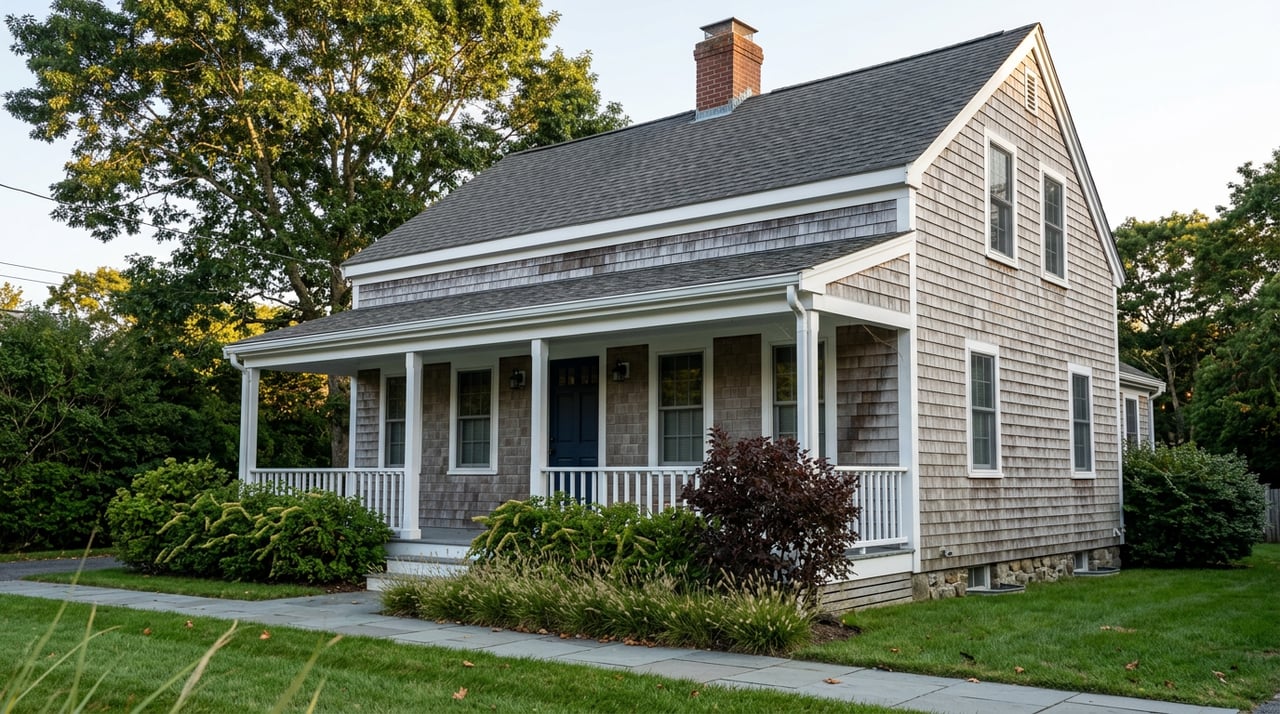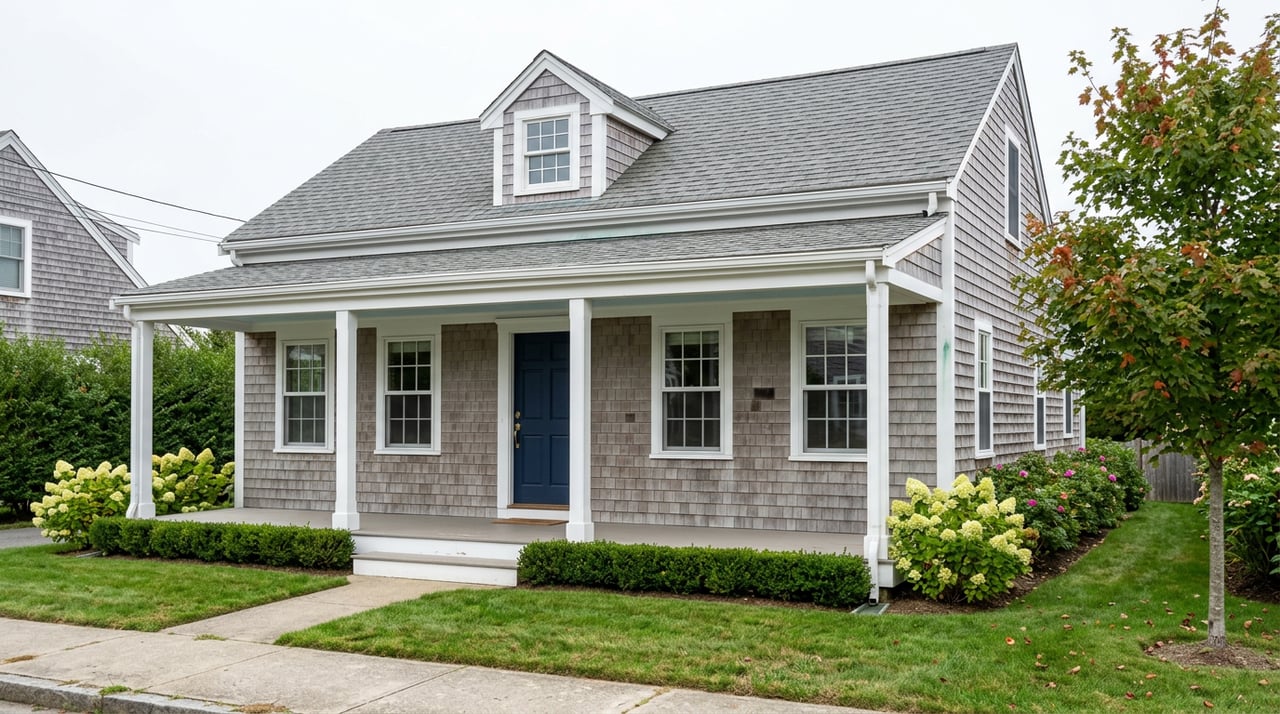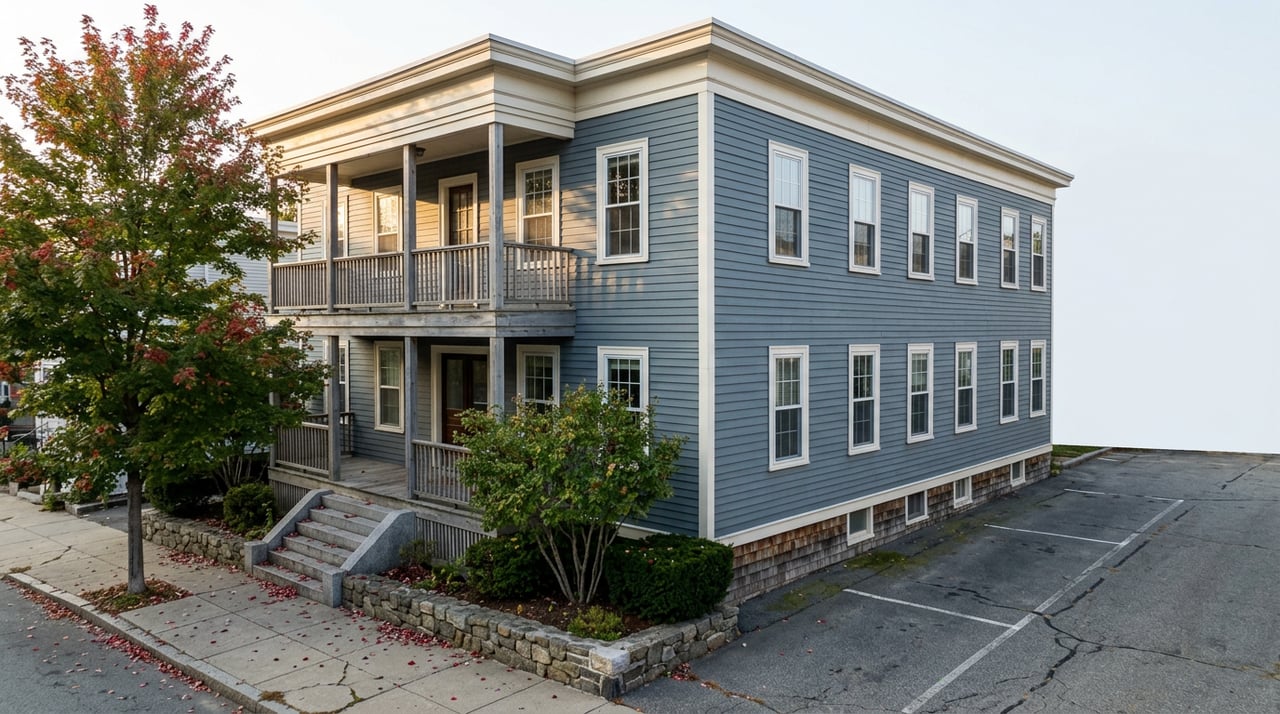
Picture the spreadsheet. A buyer is underwriting a triple-decker in the Flint or Highlands section of Fall River, three units, all currently rented to long-term tenants at $1,400 a month. The buyer runs a second column: what if each unit became a nightly rental instead, priced against comparable Airbnb listings near Battleship Cove or the waterfront. The math works. It always works on paper. Then the buyer calls a local attorney to confirm the plan is legal, and hears something they did not expect: until recently, none of this was legal at all.
That is the part of Fall River's new short-term rental rule that keeps surprising people who are running the numbers from outside the city. This was not a crackdown on an existing industry. It was the creation of one, and the city built it narrow on purpose.
The City Didn't Tighten Airbnb Rules. It Wrote The First Ones.
Most short-term rental stories follow a familiar arc: a city has thousands of unregulated listings, neighbors complain, the council passes restrictions. Fall River's story runs the other direction. City Corporation Counsel Alan Rumsey told the council in January 2025 that rentals such as those listed on Airbnb and VRBO were currently against the law in Fall River, full stop, and that the ordinance under consideration was the mechanism that would make them legal for the first time.
That framing matters for anyone comparing Fall River to towns where short-term rental rules are just getting stricter. Fall River wasn't closing a loophole. It was opening a door, and city staff opened it just wide enough to solve a specific problem: absentee investors converting long-term housing stock into full-time nightly rentals. The ordinance that emerged, now codified as Ordinance No. 2025-07, is built around keeping that door narrow.
What The Ordinance Actually Allows
The finished rule, which you can read in full through the city's own code library, ties short-term rental eligibility to owner-occupancy rather than to the property itself. The core mechanics:
- The operator's primary residence must be owner-occupied at least nine months of the year. Only within the remaining window, up to roughly three months annually, can that residence be offered as a short-term rental.
- Properties in single-family zoning districts are excluded from short-term rental use by default.
- Operators must register both with the City of Fall River's Inspectional Services Division and with the Massachusetts Department of Revenue through MassTaxConnect.
- The council set the annual local registration fee at $500.
- Short-term rentals are taxed like lodging. Fall River's local hotel tax rate is 4 percent and applies by default, on top of the state's room occupancy tax.
- Operators must notify abutters and property owners across the street within 30 days of registering, and again every year after that, including their contact information and registration number.
- No exterior signage is allowed, and a rental can only be booked to one party of renters at a time.
- Three or more violations within a six-month period make the property ineligible to operate as a short-term rental going forward.
Read that list as an investor and the shape of the restriction becomes clear. This is not a fee schedule you budget around. It is a residency requirement that most portfolio investors structurally cannot meet, because the entire premise of owning multiple units across a city is not living in all of them.
The enforcement side reinforces the same point. During the council's second reading in spring 2025, Building Commissioner Glenn Hathaway described a downtown case where a short-term rental operation was shut down because the unit's first floor lacked a second required means of egress. The ordinance's occupancy rule is the headline restriction, but basic fire and building code still sits underneath it. A unit that clears the residency test can still fail on egress, and Fall River's building department has already shown it will act on that.
The Math This Changes
Here is where the ordinance stops being a compliance footnote and starts affecting what a Fall River multifamily property is actually worth to different kinds of buyers.
Across the five years through June 2026, Fall River's median multi-family sale price climbed from $475,000 to $655,000, tracked through MLS PIN's Fall River area market data. That is real, sustained appreciation in a property type the city's own market data shows is in demand from both owner-occupants and out-of-area buyers. Some of that climb reflects renovation quality, location, and genuine rent growth. Some of it, for buildings marketed with short-term rental upside baked into the pitch, was likely built on an income assumption that the ordinance now forecloses for anyone who isn't planning to live in the building.
If you are underwriting a non-owner-occupied triple-decker in Fall River today, short-term rental income cannot be part of the model. Not a discounted version of it. None of it. The only legal path to any nightly-rental revenue on that property runs through you occupying one unit as your primary residence for at least nine months a year, which changes the deal from a pure investment purchase into an owner-occupant strategy with a small STR allowance layered on top. Those are two different transactions with two different buyer profiles, and a listing that doesn't distinguish between them is setting up a buyer for a bad surprise during due diligence.
Worth noting on the flip side: single-family inventory in Fall River has loosened somewhat over the same period, with homes on the market climbing from 35 to 69 year over year through June 2026 and months of supply moving from roughly 1.5 to 3.2. That gives buyers more room to negotiate than they had two years ago, which matters if you're walking into a deal that needs to be repriced once STR income comes off the table.
What This Means If You're Selling
If you own a Fall River multifamily property and have been running short-term rentals on it without registering, Rumsey's own comments to the council are worth sitting with. He told councilors that many short-term rentals already operating in the city appeared to be unregistered, and that the city had not been collecting local tax revenue from them. That informal income stream does not transfer cleanly to a new owner under the current rule unless the buyer is willing to live in the building.
Listing a property with "current Airbnb income" language, without being specific about whether that income is legal under the new ordinance and whether it survives a change in occupancy, creates a disclosure problem that a sharp buyer's attorney will catch. The more useful approach is to separate the two numbers clearly: what the property earns as a straightforward long-term rental, and what it could earn under the ordinance's owner-occupant carve-out, with the assumptions spelled out rather than blended together.
A Few Questions Worth Asking Before You Write An Offer
Does the ordinance apply to short-term rentals that were already operating before it passed? The ordinance itself doesn't grandfather existing unregistered activity. Every operator, new or existing, has to register under the current rules to operate legally.
Can I live in one unit of a triple-decker and short-term rent a different unit? The ordinance ties eligibility to the operator's primary residence, not to the building as a whole. That distinction is worth confirming directly with Fall River's Inspectional Services Division before you structure an offer around it.
Is the 4 percent hotel tax the only tax on short-term rental income? No. It applies on top of the state's own room occupancy excise, and registration with the Massachusetts Department of Revenue through MassTaxConnect is required separately from city registration.
Fall River's multifamily stock still makes sense for a lot of buyers, owner-occupants who want rental income from the other units, investors focused on long-term rent rolls, and people renovating tired triple-deckers for resale. What changed is which of those buyers can legally count nightly-rental income in their numbers. Get that distinction wrong before closing and you're not looking at a compliance headache. You're looking at a business model that never existed in the first place.
If you're evaluating a multifamily purchase in Fall River, or you own one and want a clear-eyed read on what your rental income actually supports under current rules, Zach Midwood has spent his career underwriting exactly these deals from the operator's side of the table. Book an appointment and get the numbers checked before they're the ones your lender questions.