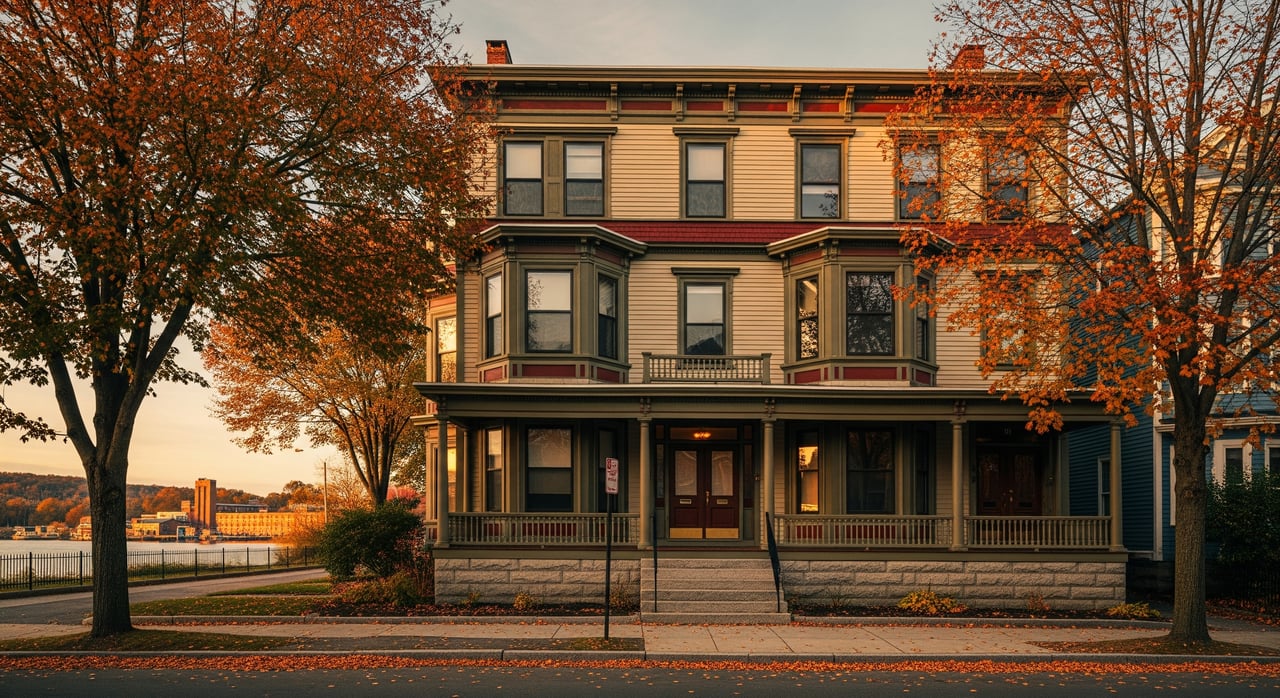
Look up in Fall River and you’ll notice a familiar sight: tall, porch-front homes with three flats stacked one above the other. If you’re curious about how these buildings work for living or investing, you’re not alone. Triple-deckers are a core part of the local housing stock and a practical path to owning while generating rent. In this guide, you’ll learn what a triple-decker is, how they function in Fall River, what to inspect, how financing typically works, and which local resources to use. Let’s dive in.
Triple-decker basics
Definition and purpose
A triple-decker (or three-decker) is a wood-frame, three-story building with one main dwelling unit per floor. The design packs multiple homes onto a small urban lot. Many buyers use the owner-occupant model by living in one unit and renting the other two to offset the mortgage.
Why they matter in Fall River
Triple-deckers were built during the late 1800s through the 1920s to house mill and factory workers. In Fall River, they cluster around older mill districts and transit corridors. They remain a significant share of the multifamily inventory, offering both neighborhood character and income potential for owner-occupants and small investors.
Where to confirm local context
If you want to dig into housing makeup or rent benchmarks, the American Community Survey tracks housing units by structure type for Fall River and Bristol County. You can also review HUD Fair Market Rents to sense county-level rent baselines.
- Check housing data in the American Community Survey.
- Review county rent benchmarks at HUD Fair Market Rents.
What they look like
Exterior and layout
Most triple-deckers are three stacked flats with similar or mirrored floorplans. You’ll often see a shared front stair, stacked front or rear porches, and bay windows for extra light. Lots are typically narrow with a small yard, alley, or driveway area for utilities and trash.
Typical floorplans
Common layouts run from one to three bedrooms per unit. Older plans often include a parlor or living room, a central dining space, a compact kitchen, and two or three bedrooms. Upper floors usually match the footprint below, which simplifies repairs and upgrades.
Building systems to understand
- Structure and foundation: wood-frame with granite, block, or poured concrete foundations. Expect age-related settling and moisture considerations.
- Roofing and exterior: asphalt shingle roofs are common; older buildings may have slate. Exteriors may be wood clapboard, shingles, or vinyl siding.
- Heating and hot water: many buildings migrated from coal to oil or natural gas. You’ll now see high-efficiency boilers or ductless heat pumps in upgraded properties.
- Electrical: older wiring and smaller panels are common. Many owners upgrade service capacity and separate meters for clean tenant billing.
- Plumbing: galvanized and cast iron components may remain. Repiping is a frequent project.
- Chimneys and flues: original masonry often needs repointing or liners.
Who buys and who rents
Buyer profiles in Fall River
- Owner-occupants: First-time buyers or move-ups who want rental income to reduce monthly costs. Multi-generational households may also use one floor for family.
- Small investors: Local owners focused on cash flow and modest value-add. Some will live in one unit to access owner-occupied financing.
- Renovators: Buyers seeking to rehab, improve systems, and reposition for higher rents or resale.
Renter profiles
Working individuals and families in healthcare, retail, and services are common tenants. You’ll also see students and younger renters influenced by nearby Southcoast colleges. Older units can have long-term tenants, while renovated units often see more turnover.
Financing basics
Loan options to explore
Many owner-occupants use conventional or FHA programs designed for 2–4 unit properties. Investment loans typically require larger down payments and different underwriting. Lenders may count a portion of projected rental income for qualification, so accurate rent rolls and leases matter.
Insurance and flood considerations
Be mindful of property and flood insurance if a building sits near the Taunton River or waterfront areas. Review flood maps early to understand lender requirements and premium impacts. The FEMA Flood Map Service Center lets you check a property’s flood zone.
Inspections and safety
Priority inspections before you buy
- General home inspection by a pro experienced with older wood-frame multifamily.
- Electrical and plumbing evaluations to confirm service size, metering, and any galvanized or cast iron issues.
- HVAC and boiler checks, plus chimney and flue inspections.
- Sewer scope if the neighborhood has older lines or if you see sump systems.
- Environmental screening for lead paint, asbestos, and mold.
Codes and landlord responsibilities
Massachusetts sets minimum habitability standards for rentals under the State Sanitary Code, known as 105 CMR 410. Ask the City of Fall River’s Inspectional Services or Board of Health about rental registration or periodic inspection requirements. If children will live in a unit or you plan renovations, review the Massachusetts lead law and required disclosures.
Fire and egress
Make sure each unit has code-compliant smoke and CO detectors, clear egress routes, and proper fire separation where required. Older stairwells, porches, and doors may need repairs to meet current safety expectations. If you plan major upgrades, confirm whether sprinkler requirements apply with the local building department.
Energy and comfort upgrades
Where most triples benefit
Older triple-deckers often have thin walls and aging windows. Insulation, air sealing, high-efficiency boilers, or heat pumps can cut costs and make units more comfortable. Schedule an energy assessment and explore rebates through Mass Save for insulation, heating equipment, and weatherization.
Flood, climate, and location
Plan for local conditions
Freeze-thaw cycles and coastal weather can stress roofs, gutters, stairs, and exterior metals. In river-adjacent areas, watch for damp basements and hydrostatic pressure. Use FEMA maps to identify flood zones early, then obtain insurance quotes before finalizing the deal.
Practical buyer checklist
Pre-offer due diligence
- Request year built, permit history, and any past violations.
- Ask for rent roll, leases, deposits, expenses, and capital improvements.
- Review assessor records for taxes and parcel boundaries.
- Confirm zoning for uses, parking, and any conversion limits.
Inspections before closing
- Full home inspection with multifamily experience.
- Electrical, plumbing, HVAC, and chimney evaluations.
- Sewer lateral camera inspection if lines are older or pumps are present.
- Environmental screening for lead and asbestos if you plan to renovate.
Budget and reserves
- Plan reserves for roof, porches, boilers, windows, and electrical upgrades.
- Price out insulation, heating systems, and possible deleading.
- Get insurance and flood insurance quotes early.
Local resources to contact
- City of Fall River: Inspectional Services, Board of Health, Historical Commission, Assessor’s Office.
- Bristol County Registry of Deeds for title history.
- U.S. Census Bureau’s American Community Survey for housing composition.
- HUD’s Fair Market Rents for rent benchmarks.
- Mass Save for energy assessments and rebates.
- FEMA Flood Map Service Center to check flood zones.
- Massachusetts lead law guidance for compliance.
Buying or selling a triple-decker in Fall River comes down to clear information and a solid plan. If you want help analyzing income, scoping repairs, or coordinating with tenants for a smoother process, connect with Zach Midwood. Book an Appointment.
FAQs
What is a triple-decker home in Fall River?
- A triple-decker is a three-story wood-frame building with one dwelling unit per floor, common near historic mill districts in Fall River.
How do triple-decker finances work for owner-occupants?
- Many buyers live in one unit and rent the other two, using rental income to help offset the mortgage and operating expenses.
What inspections are most important before buying a three-decker?
- Prioritize general, electrical, plumbing, HVAC/boiler, chimney, sewer scope, and environmental screenings for lead and asbestos.
How are utilities and meters typically set up in older triple-deckers?
- Some buildings have separate gas and electric meters per unit, while others are master-metered; the setup affects expenses and tenant billing.
Are triple-deckers in Fall River at flood risk?
- Properties near the Taunton River or waterfront may require flood insurance; confirm zones at the FEMA Flood Map Service Center and price premiums early.
What energy upgrades make the biggest difference in a triple-decker?
- Insulation, air sealing, efficient boilers or heat pumps, and window improvements often deliver strong comfort and cost benefits; check Mass Save incentives.