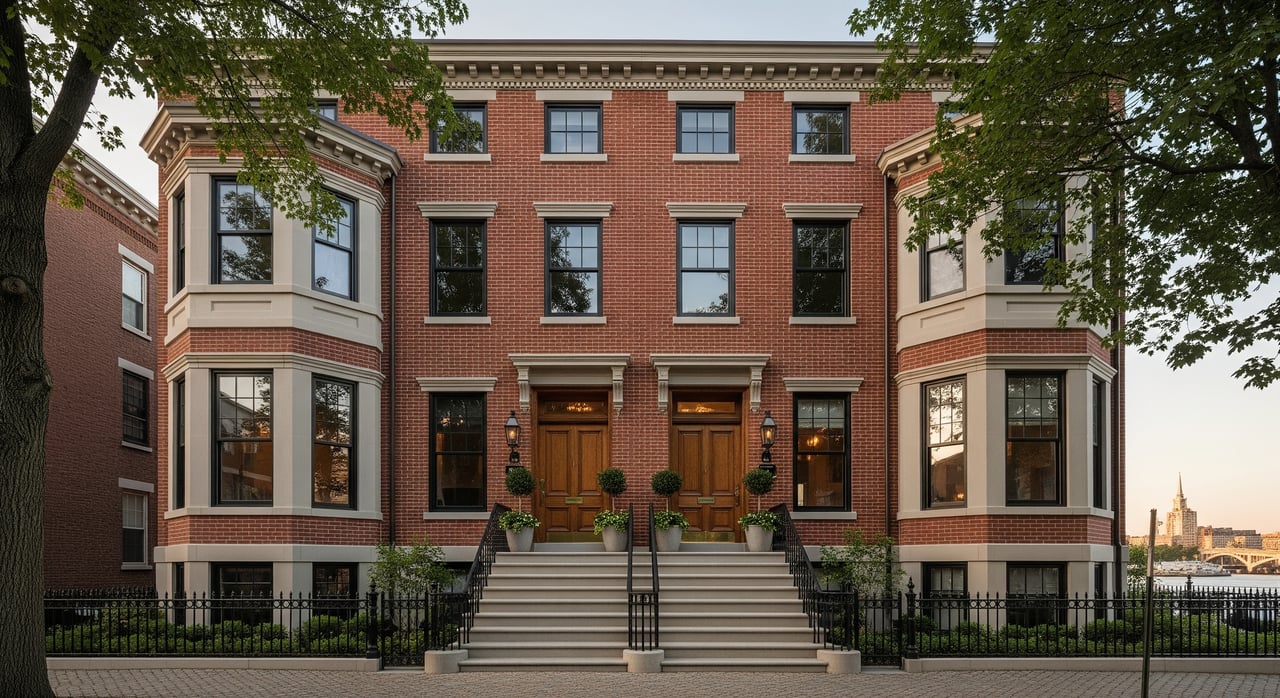
What if your next home helped pay your mortgage every month? If you are a first-time buyer in Providence, house hacking a duplex or triplex can lower your cost of living while you build equity. It takes planning, financing know-how, and a clear handle on local landlord rules. This guide walks you through the essentials so you can buy confidently, operate smoothly, and stay compliant. Let’s dive in.
House hacking in Providence
House hacking means you buy a 2 or 3 unit property, live in one unit, and rent the others. The rental income helps offset your mortgage and operating costs. In Providence, many multi-family homes are older, so condition and code compliance matter. Before you buy, confirm legal multi-family use, understand city rental registration requirements, and plan for routine inspections and maintenance.
Duplex vs. triplex options
A duplex has two units on one title. A triplex has three. You can owner-occupy one unit and lease the others in both cases. Verify the property’s legal use and any past conversions with the city before you make an offer. If you are considering short-term rentals, review Providence rules to confirm zoning, licensing, and tax obligations.
Condition ranges from turnkey to heavy rehab. The property’s condition affects your loan options, appraisal, and reserves. If the building needs work, renovation financing can help you purchase and repair in one package.
Financing paths that work
FHA for 2 to 4 units
FHA financing is popular for first-time buyers because minimum down payments can be as low as 3.5 percent for eligible borrowers. You must live in the property as your primary residence, typically within 60 days of closing, and intend to occupy for at least 12 months. Lenders often allow a portion of expected rent from the other units to help you qualify. FHA requires upfront and annual mortgage insurance, which you should include in your payment estimate.
Conventional loans
Conventional loans also allow owner-occupied 2 to 4 units, though down payment and credit standards are usually higher than FHA. Many lenders look for 15 to 25 percent down for multi-unit purchases, depending on your profile. If you put less than 20 percent down, plan for private mortgage insurance. Be prepared to document reserves and meet stricter condition standards.
VA loans for eligible buyers
If you qualify for a VA loan, you can purchase an owner-occupied 2 to 4 unit property, often with no down payment. You must occupy one unit as your primary residence. Lenders may count some rental income from the other units. A VA funding fee may apply unless you are exempt.
Renovation financing
If the property needs work to meet lender or code standards, consider FHA 203(k) or Fannie Mae Homestyle. These loans roll purchase and renovation into one. Expect extra documentation, contractor bids, and draw approvals. They can be a strong path for older Providence housing stock that needs updates.
Portfolio and community options
Some community banks and credit unions offer portfolio loans with flexible underwriting for owner-occupant multi-units. Rhode Island Housing programs may also offer down payment assistance or favorable terms for eligible buyers. Confirm current offerings directly with lenders.
How rental income is counted
Underwriting usually uses a portion of expected rental income, commonly 75 percent, to account for vacancy and expenses. Lenders rely on current leases, proof of rent received, or market rent from the appraisal. If units are vacant, the appraiser’s market rent comps often guide the estimate. Be ready to show intent to occupy and provide documentation after closing.
Budget like an operator
Upfront costs
Plan for down payment, closing costs, inspections, and immediate repairs. Closing costs often range several percentage points of the purchase price. You may also need utility deposits and funds to register units with the city.
Monthly and operating expenses
Your monthly obligations include principal and interest, property taxes, and insurance. Factor in utilities you will cover, trash and sewer, and any municipal registration or inspection fees. If you hire management, budget a percentage of rent for that service. Routine maintenance, landscaping, and pest control add up over time.
Reserves and capital planning
Maintain an emergency fund. Many lenders require reserves measured in months of principal, interest, taxes, and insurance for multi-unit properties. Set aside money for major items like roofing, heating systems, and appliances. A common practice is saving a portion of gross rent each year for capital expenses and vacancy.
A simple cash-flow framework
Estimate expected rent from the other units. Apply a vacancy factor, then subtract your mortgage payment, taxes, insurance, and a realistic allowance for maintenance and capital items. This gives you a baseline cash-flow view. Your after-tax results may differ based on depreciation and deductible expenses, so speak with a tax professional.
Your legal and compliance checklist
Rhode Island landlord-tenant law
Rhode Island’s Residential Landlord and Tenant Act governs leases, habitability, deposits, notices, and evictions. As a landlord, you must provide safe, habitable housing and maintain basic systems. Keep written records and follow the statute for all tenant interactions.
Security deposits
Know the rules for holding, itemizing, and returning deposits. Best practice is to keep deposits in a separate account, give written receipts, and meet statutory timelines for returns and itemized statements.
Notices and eviction
You must follow Rhode Island notice requirements for nonpayment and termination. Evictions are handled through the courts. Self-help actions like changing locks or shutting off utilities are illegal.
Lead paint and safety
For homes built before 1978, federal law requires you to give tenants lead-based paint disclosures and the required EPA information. Rhode Island may have additional lead rules to protect families with children. Confirm current state and local requirements before leasing.
Providence rental registration and inspections
Providence administers rental registration, certificates of occupancy, and inspections through the city’s code and inspections office. Expect required registration, fees, and periodic or complaint-based inspections. The city’s building and housing codes cover smoke and carbon monoxide detectors, egress, and heating standards.
Short-term rentals
If you plan to offer short stays, review Providence and Rhode Island rules for short-term rentals. You may need licensing, tax registration, and safety compliance. Always verify local ordinances before booking short-term tenants.
Living on site and managing right
Screening and leases
Use a clear screening policy that follows fair housing laws. Apply the same standards to every applicant and document your process. Use a written lease that defines rent, due dates, maintenance responsibilities, and house rules.
Maintenance and recordkeeping
Respond quickly to habitability issues. Build a reliable contractor list and track all work orders. Keep records of notices, inspections, and communications. Good documentation keeps you compliant and reduces disputes.
Tenant relationships and privacy
Set expectations early about noise, shared spaces, and communication. Respect legal notice periods before entering a unit. Living next to tenants can make response times faster while requiring good boundaries.
Common pitfalls to avoid
- Underestimating repair and capital costs, especially in older buildings.
- Missing documentation for rental income during underwriting.
- Skipping city registration or safety compliance.
- Relying on short-term rentals without checking local rules.
- Forgetting an exit plan, since multi-units can have a narrower buyer pool.
A step-by-step plan to get started
- Define your target neighborhoods and building size, then gather recent sale comps and rent comps for similar duplexes and triplexes.
- Speak with at least two lenders. Compare FHA, conventional, and VA if you qualify. Confirm how they will count rental income and what reserves they require.
- Price insurance for multi-unit coverage, including liability. Confirm current property taxes for your target buildings.
- Review Providence rental registration and inspection requirements. Budget fees and any required repairs.
- Order a full home inspection. For pre-1978 homes, arrange lead-hazard inspections and prepare required disclosures.
- Build a 12 to 24 month cash-flow plan with conservative vacancy and repair assumptions.
- Consult a local attorney or experienced landlord for a lease template and guidance on Rhode Island landlord-tenant law.
- Create a written, fair housing compliant screening policy. Prepare your move-in checklist and recordkeeping system.
- Assemble your contractor roster for HVAC, plumbing, electrical, roofing, and general handyman services.
Ready to house hack in Providence?
If you want a practical plan for buying and operating a duplex or triplex, you deserve advice from someone who has been in the trenches. From underwriting to renovation planning and tenant coordination, you can move forward with clarity and confidence. If you are considering your first multi-unit in Providence, connect with Zach Midwood to map your path from offer to turnkey operations.
FAQs
What does house hacking a duplex or triplex in Providence involve?
- You buy a 2 or 3 unit, live in one unit, and rent the others, using rent to offset mortgage and operating costs while staying compliant with state and city rules.
How does FHA count rental income for owner-occupied multi-units?
- Lenders commonly use about 75 percent of market or lease rent from the other units to qualify, subject to documentation and appraisal, and you must occupy the property.
What Providence registrations or inspections do I need for rentals?
- Expect rental unit registration, potential certificates of occupancy, city fees, and periodic or complaint-based inspections through the municipal inspections office.
What are Rhode Island rules for security deposits and notices?
- Rhode Island’s Residential Landlord and Tenant Act sets deposit handling, return timelines, and notice requirements; follow the statute and keep detailed records.
What should I know about lead paint in older Providence homes?
- For pre-1978 housing, federal law requires lead-based paint disclosures and EPA information for tenants, and Rhode Island may have additional safety requirements.
Can I use short-term rentals for my extra unit in Providence?
- Only if allowed by local ordinances; verify zoning, licensing, taxes, and safety standards before hosting short-term guests.
What reserves do lenders often require for duplex or triplex purchases?
- Multi-unit loans often require several months of principal, interest, taxes, and insurance in reserves, with exact amounts set by program and lender.