Looking to sell your New Bedford 2–4 unit and attract strong FHA owner‑occupant offers? With the city’s older housing stock, small safety items can snowball into appraisal delays if you don’t plan ahead. The good news is you can tackle the most common FHA red flags before listing and make your property more financeable for a wider pool of buyers. In this guide, you’ll learn what FHA appraisers look for, the Massachusetts rules that affect closing, and a step‑by‑step plan to get market‑ready. Let’s dive in.
Why FHA buyers matter in New Bedford
FHA financing opens your property to more first‑time and owner‑occupant buyers, which can mean more showings and better offers. To qualify, your building must meet HUD’s focus on safety, soundness, and security. FHA appraisers serve the lender by checking value and flagging repairs that impact habitability.
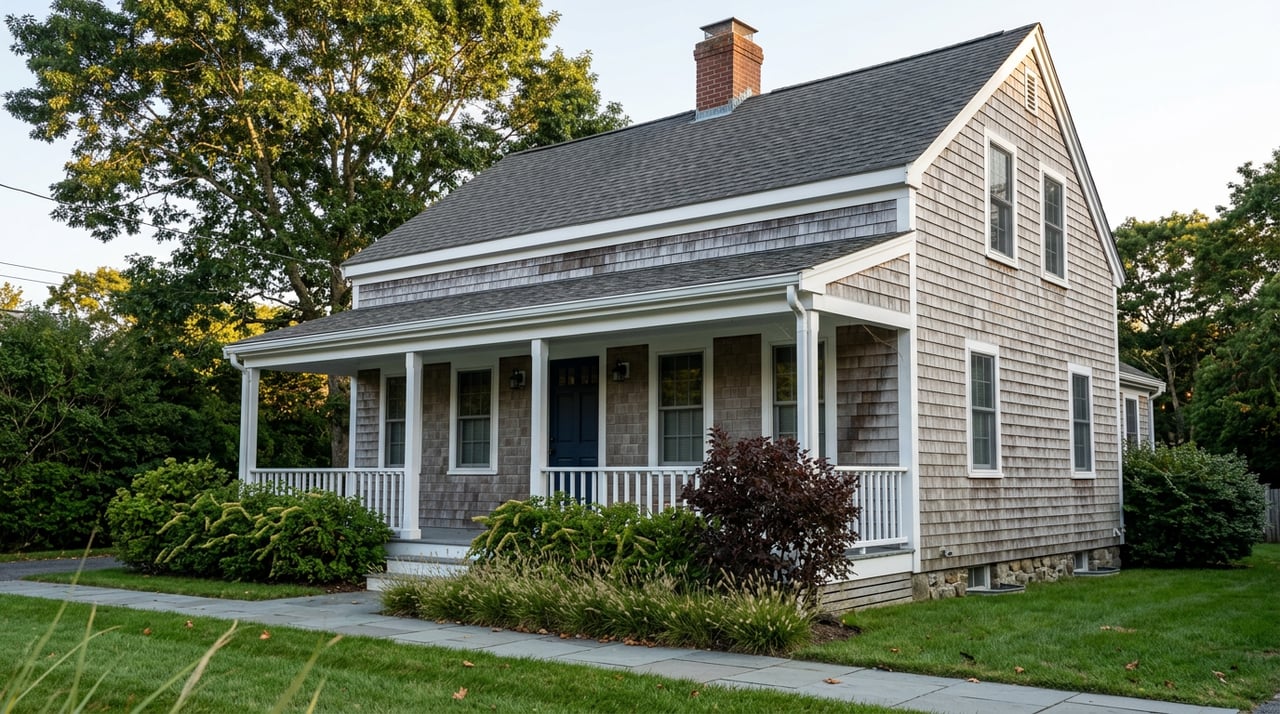
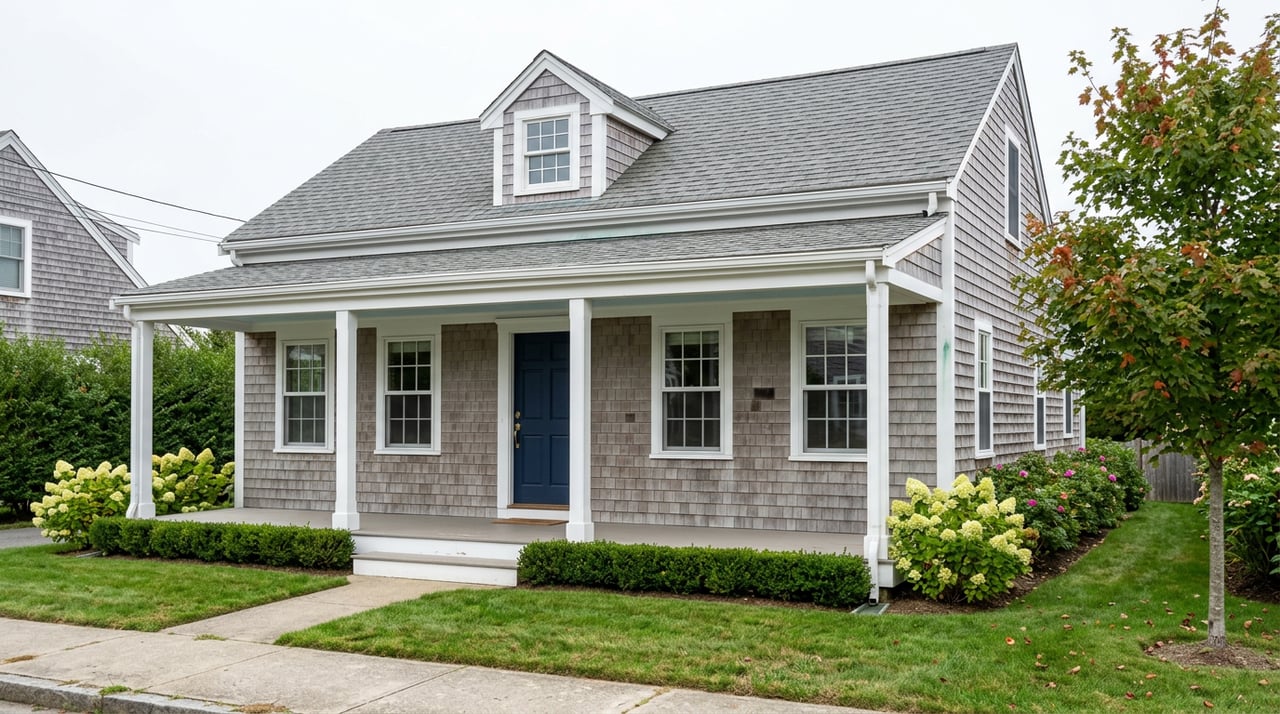
New Bedford’s housing is older than the state average, with a median year built around the 1940s. That increases the odds of lead‑paint concerns, aging mechanicals, and deferred maintenance that FHA appraisers often call out. You can see this older‑stock trend in the city’s market analysis, which notes substantial pre‑1940 housing across the area (city housing analysis).
FHA basics you need to know
FHA will insure a mortgage only if the property meets HUD’s Minimum Property Requirements. The appraiser’s job is to confirm value and report any issues affecting health, safety, or structural soundness. Lenders then require those issues to be corrected or documented before they approve the loan. Review the Single Family Housing Policy Handbook for the core standards and repair‑escrow framework (HUD Handbook 4000.1).
Some repairs must be finished before closing. Others may qualify for a lender‑managed repair escrow if the building is otherwise habitable and the items are limited in scope. Your goal is to prevent big surprises by addressing likely conditions before the appraiser ever visits (HUD valuation protocols).
Common FHA red flags in 2–4 units
Roof and structure
Active leaks, missing roofing, sagging sections, and failing porches or stairs are frequent repair conditions. Apparent foundation movement or major cracks can trigger an engineer evaluation. These items affect safety and soundness, so expect them to be required fixes before endorsement (HUD valuation protocols).
Heat, hot water, and plumbing
Inoperative or inadequate heating and hot water systems are health and safety violations. Leaks, unsafe plumbing, or nonfunctional fixtures will also be flagged. If you use a private well, the lender may require a water test when the appraiser raises concerns (HUD Handbook 4000.1).
Electrical and life safety
Exposed wiring, open splices, improper junctions, or severely outdated systems are common findings. Appraisers expect functional service and safe outlets, including GFCI protection near kitchens and baths. Missing or nonworking smoke and carbon monoxide alarms will be cited as safety defects (HUD valuation protocols).
Health and environmental conditions
Chronic moisture and mold, standing water, or evidence of termites or other pests often prompt further inspection and remediation. For buildings built before 1978, lead‑based paint becomes a central consideration. Federal and state rules require disclosure, and serious lead hazards may need corrective action depending on the situation (EPA lead disclosure rule).
Egress, porches, stairs, and site safety
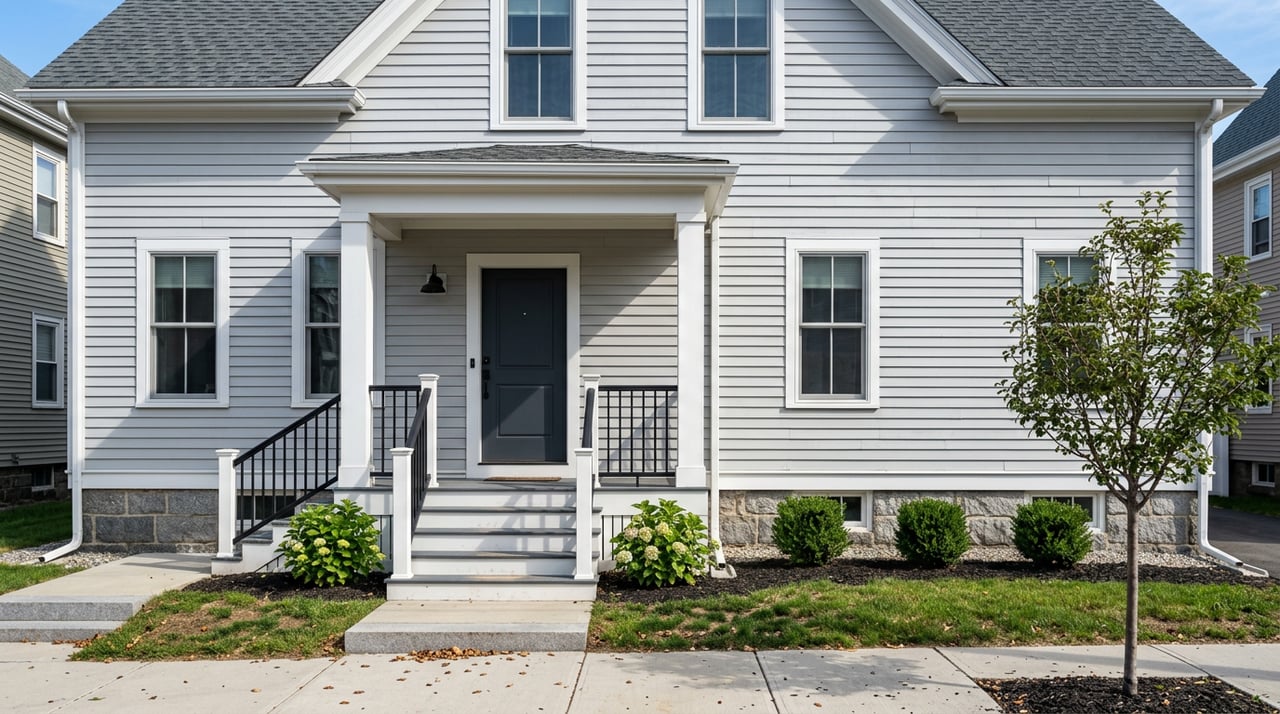
Damaged steps, loose or missing handrails, and compromised porches or decks are common FHA callouts. Appraisers also look for adequate egress and basic site safety. Correct these items early to avoid reinspection delays (HUD valuation protocols).
Massachusetts and New Bedford rules that affect closing
Smoke and CO certificate
Massachusetts requires a local fire‑department inspection for smoke and carbon monoxide alarms prior to most residential sales. The department issues a Certificate of Compliance, which buyers and lenders often need to see before closing. Schedule the inspection early and install alarms in the locations state guidance specifies (MA smoke and CO inspection guide).
Lead paint disclosures for pre‑1978 buildings
For pre‑1978 homes, sellers must provide the Massachusetts Property Transfer Lead Paint Notification and share any lead inspection reports or Letters of Compliance with buyers before signing a purchase and sale. Federal disclosure rules also apply. Having clear records ready reduces friction with lenders and appraisers (MA lead transfer requirements; EPA lead disclosure rule).
Title 5 septic and private wells
If your property uses an on‑site septic system, Massachusetts Title 5 typically requires an inspection within two years before transfer. A failed inspection usually must be corrected or documented under an approved upgrade plan with the local Board of Health. If you are on a private well, plan for water testing if conditions suggest risk (MA Title 5 guidance).
Local permits and code records
Open building permits, unresolved violations, or missing occupancy records can delay underwriting. In New Bedford, gather relevant permits, repair invoices, and compliance records before listing. This preparation supports smoother lender reviews and helps you respond quickly to appraisal conditions (city housing analysis context).
A practical pre‑listing action plan
Address safety and habitability first, then organize documentation. Use this checklist to get FHA‑ready:
Immediate safety and systems
- Confirm working smoke and carbon monoxide alarms in required locations and schedule the fire department’s sale/transfer inspection for your certificate (MA smoke and CO inspection guide).
- Fix active roof leaks; repair damaged porches, stairs, and handrails; eliminate trip hazards (HUD valuation protocols).
- Service heating and hot water systems; replace nonfunctional components and keep contractor receipts (HUD valuation protocols).
- Correct obvious electrical hazards and add required GFCI protection; keep electrician invoices for lender files (HUD valuation protocols).
Environmental and regulated items
- For pre‑1978 buildings, compile the Massachusetts lead transfer notification and any lead inspection or compliance letters; consider a lead risk assessment if surfaces are deteriorated (MA lead transfer requirements).
- If on septic, schedule a Title 5 inspection within the required timeframe. For private wells, arrange a water test if conditions suggest it may be required (MA Title 5 guidance).
- If your work will disturb painted surfaces in pre‑1978 housing, hire an EPA‑certified RRP contractor and document compliance (EPA RRP program).
Documentation to assemble
- A repairs ledger with permits, contractor invoices, and before‑and‑after photos to show work was completed.
- Lead disclosure records and signed Massachusetts Property Transfer Lead Paint Notification for pre‑1978 buildings.
- Title 5 inspection forms, well water test results if applicable, and proof of public water connection when relevant.
Optional pre‑listing inspections
- A targeted pre‑listing inspection focused on roof, structure, heating, electrical, plumbing, and safety items FHA appraisers flag.
- Specialist inspections as indicated: structural engineer, pest/termite, lead risk assessment, septic/well testing.
- Electrical safety check if the building has older systems or fuses.
How appraisal repairs affect timing and financing
Expect the appraiser to identify required repairs and include photos. Lenders use the report to decide if repairs must be completed before closing or if a repair escrow is acceptable for a habitable property with limited items. Plan for at least one reinspection if the appraiser conditions repairs (HUD valuation protocols).
HUD allows repair escrows for specific, limited items when the property is otherwise safe and livable. Larger or safety‑critical issues usually must be fixed prior to endorsement. Coordinate early with the buyer’s lender to confirm what qualifies for an escrow and what must be completed up front (HUD Handbook 4000.1).
From a negotiation standpoint, you can complete key repairs before listing, offer targeted credits with an approved escrow when allowed, or price the property to reflect work the buyer will perform. Remember that a simple credit does not satisfy FHA when the appraiser requires repairs. The lender will expect either completed work or a documented escrow process (HUD Handbook 4000.1).
Pro tips for smoother tenant coordination
In occupied multifamily buildings, success comes from planning. Give tenants clear notice for contractor access, group work by unit to minimize disruption, and communicate the benefits of quick, well‑scheduled repairs. Provide temporary smoke/CO alarms where needed during work and confirm final device placement before the fire inspection.
When you schedule the appraiser, plan for lights on, utilities active, and clear access to basements, mechanical rooms, and attics. A tidy, well‑labeled documentation folder on site helps appraisers and reinspectors verify repairs faster.
Pricing and marketing to FHA owner‑occupants
If your building is safe, functional, and well‑documented, your pool of FHA buyers grows. Highlight recent system services or replacements, smoke/CO certificate status, Title 5 results if applicable, and any lead compliance letters in your listing and disclosures. Clear documentation builds trust and helps underwriting move forward without last‑minute requests.
Ready to prepare your New Bedford multifamily the right way? If you want a practical plan, transparent timelines, and help coordinating repairs and access, connect with Zach Midwood.
FAQs
What should a New Bedford seller fix first for an FHA buyer?
- Start with safety and habitability: smoke/CO alarms, obvious electrical hazards, roof leaks, heating/hot water functionality, and unsafe stairs or railings. These are the most common FHA repair conditions (HUD valuation protocols).
Do I have to remediate lead paint to sell a pre‑1978 multifamily?
- Not always. You must provide the Massachusetts Property Transfer Lead Paint Notification and share any available lead inspection or compliance records; federal disclosure rules also apply. Certain situations may require correction of hazards, so assemble records early (MA lead transfer requirements; EPA lead disclosure rule).
Can I offer a credit instead of making FHA‑required repairs?
- A credit alone usually does not satisfy FHA when the appraiser conditions repairs. The lender will require completed work or an approved repair escrow for eligible items under HUD guidelines (HUD Handbook 4000.1).
How do I pass the smoke and CO inspection in Massachusetts?
- Install compliant smoke and carbon monoxide alarms in the required locations for your building type and age, then schedule the local fire‑department inspection to get the Certificate of Compliance before closing (MA smoke and CO inspection guide).
What happens if my septic system fails Title 5 before sale?
- A failed Title 5 generally requires repair or an approved upgrade plan with the local Board of Health; inspection timing is typically within two years before transfer. Share results and any upgrade agreements with the buyer and lender early (MA Title 5 guidance).
Will the FHA appraisal add extra visits to my timeline?
- If the appraiser requires repairs, expect at least one reinspection to confirm completion. Keeping receipts, permits, and photos organized helps minimize repeat trips and speeds up lender sign‑off (HUD valuation protocols).