Buying your first home in Acushnet can feel exciting and a little overwhelming. You want a solid house, a predictable budget, and a path to ownership that does not derail your plans. In this guide, you will learn how Acushnet’s starter homes are priced, what to expect from inspections, and how septic vs. sewer affects long‑term costs. Let’s dive in.
Why Acushnet works for first-time buyers
Acushnet is a small Bristol County town with about 10,700 residents and an owner‑occupied feel. According to recent federal estimates, roughly 87 to 88 percent of homes are owner‑occupied, which helps set expectations for a quiet, single‑family character. You will mostly find modest lots and traditional New England house styles. Property taxes are a key budget line too, and the town’s FY2025 residential tax rate was reported at $10.79 per $1,000 of assessed value.
- See local stats: the Census QuickFacts page shows Acushnet’s population and high owner‑occupancy rate. Review Acushnet QuickFacts
- Tax reference: check the Town’s assessor page for current tax information. Visit the Board of Assessors
What “starter home” looks like in Acushnet
Price brackets today
Small-town data shifts month to month, so use ranges and recent comps for planning. As a first pass, you can think about three buckets:
- Entry tier: low $300Ks to low $450Ks for smaller 2‑bed homes, fixers, or compact updated properties when available.
- Mainstream starter: about $450K to $650K for many 3‑bed homes in move‑in or modestly updated condition.
- Upside/competitive: renovated 3–4 bed homes or larger lots often price above $650K.
Because only a handful of homes may sell in a given month, medians can move quickly. Your best move is to lock in a lender pre‑approval, then track recent MLS comps with your agent.
Common house types and lots
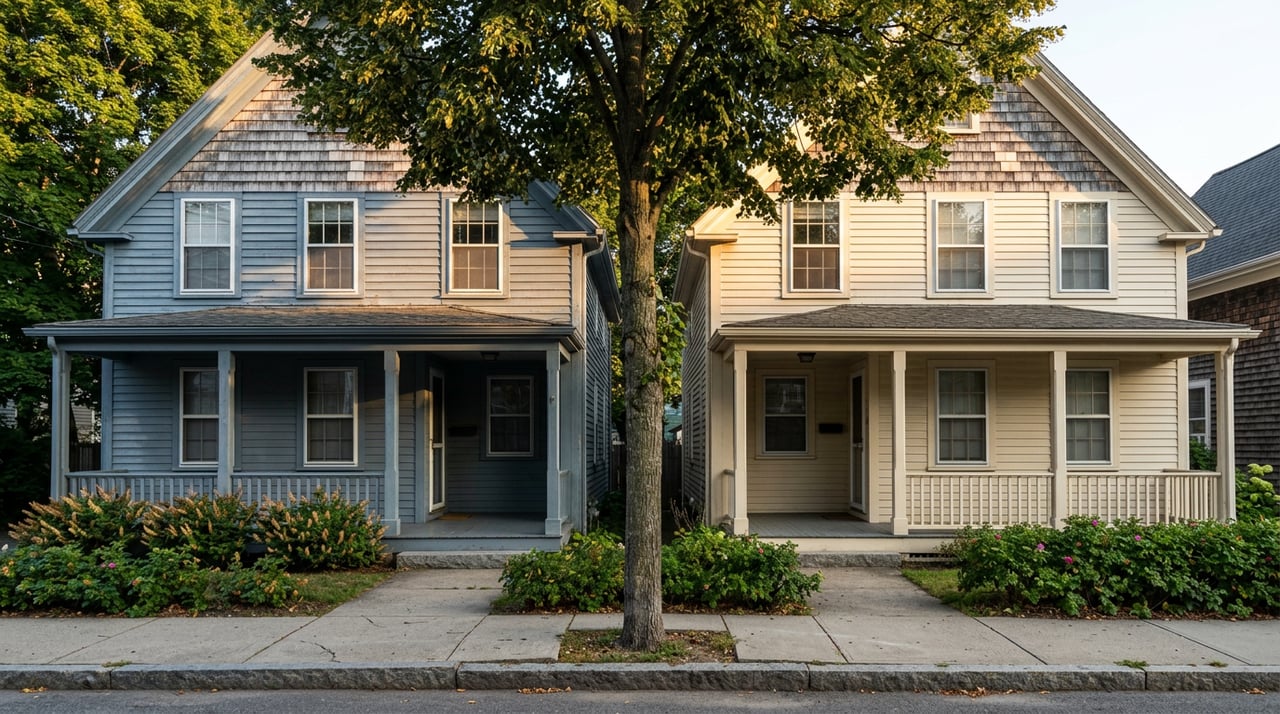
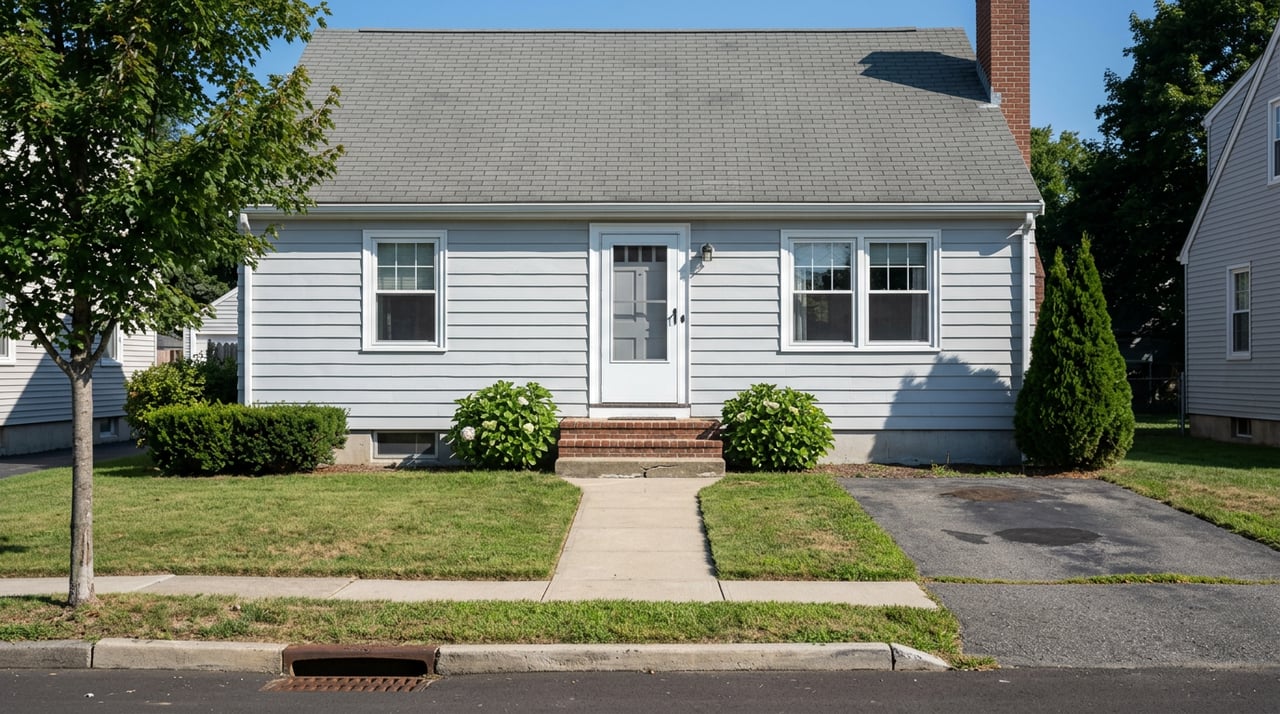
You will see single‑family Cape Cods, Colonials, ranches, and mid‑century homes. Typical starter homes have 2 to 3 bedrooms and sit on lots around 0.2 to 0.6 acre. Many homes were built in the postwar era, so systems and finishes can span several generations of updates. Expect some properties to need roof, electrical, or insulation improvements within your first few years.
Budget smart from day one
Your first‑year budget should plan for both small fixes and a few larger unknowns. Use these practical guidelines as a starting point, then refine with your inspection results.
- Immediate repair contingency (first 3–12 months): plan $5,000 to $15,000 for paint, minor mechanical fixes, small electrical or plumbing work, and basic exterior repairs.
- Major systems contingency: set aside $5,000 to $25,000+ for one‑off big items like septic replacement or oil‑tank remediation if issues surface. Industry ranges show septic work can run from several thousand to tens of thousands depending on system and site. See sample cost ranges
- Ongoing maintenance reserve: carry a modest annual reserve as a percentage of home value. The exact number depends on house age and climate, but a steady reserve helps you avoid surprises.
If you are considering an older home or a house with septic or oil‑heat history, lean to the higher end of your contingencies. You can always reallocate unused funds toward upgrades after closing.
Septic vs. sewer essentials in Acushnet
Most Acushnet homes use private septic systems. Only a limited number of properties tie into public sewer near the town center. That difference matters for your budget and due diligence.
Title 5 at a glance
In Massachusetts, on‑site septic systems are regulated under Title 5. For most sales, a Title 5 inspection must be completed within two years before transfer. If a system fails, repair or replacement is generally required, sometimes with a short compliance window. Always request the inspection report and confirm any permits or enforceable agreements tied to the system. Read the state’s Title 5 guide
Your local Board of Health administers this process and is a good resource if you have questions on timing or forms. Visit the Acushnet Board of Health
Sewer planning and betterments
Acushnet has been advancing a Comprehensive Wastewater Management Plan to extend sewer service in phases to certain areas. Homeowners in project zones typically pay a betterment assessment for the connection costs. Local reporting has cited homeowner betterment estimates around $30,000 to $40,000 per household in some proposed phases, subject to financing and final design. If sewer access is a deciding factor, ask whether the property is already connected or located in a planned extension area. Read local coverage of sewer planning
What this means for your budget
- If the home is on septic and the system is healthy, ongoing costs are manageable, such as routine pumping every few years.
- If a Title 5 inspection flags a failure, replacement can be a significant expense. Massachusetts has a personal income tax credit framework for qualifying Title 5 septic upgrades. Ask your tax professional about current limits and eligibility.
- If the home will join a future sewer phase, plan for a multi‑year betterment assessment on your tax bill in addition to the regular residential rate. The town’s tax rate context helps you model total carrying costs. Check the assessor page
Inspection game plan for first-time buyers
A strong inspection plan protects your budget and makes your offer smarter, not weaker. Build time for a general inspection plus targeted add‑ons that match the home’s age and systems.
Core inspection and licensing
- Hire a licensed Massachusetts home inspector and ask for a sample report before you sign. You can verify licenses through the state’s board page. Verify inspector licensing
- Confirm who orders the Title 5 inspection if the home is on septic. You want a current report in hand. Review the Title 5 sale guide
High‑value add‑on tests
- Radon test: Many Massachusetts homes can show elevated radon. Testing is simple, and mitigation is usually a few hundred to a few thousand dollars if needed. Learn more about inspection add‑ons
- Lead paint risk (pre‑1978 homes): Federal law requires sellers to provide the EPA lead pamphlet and disclosures and allows you a 10‑day lead inspection window. Plan for safe‑work practices if you will repaint or renovate. See the federal lead disclosure rule
- Oil‑heat history: Many older New England homes used oil heat. Ask for oil‑tank closure paperwork or order a tank sweep, especially if a buried tank is possible. Cleanup costs can climb if contamination is found. Read oil‑tank closure basics
- Termites/WDO: Order a wood‑destroying organism inspection if your lender requires it or if there is visible evidence.
- Specialists as needed: Bring in a structural engineer, HVAC contractor, or licensed electrician if the general inspection flags larger concerns.
Use findings to negotiate
Your inspection results help you refine your repair contingency and, when appropriate, request credits or repairs. Title 5 failures typically trigger mandated fixes, so the report is a critical document in any negotiation. When the market is tight, you can keep your offer competitive by shortening timelines while keeping essential protections, such as a well‑scoped inspection window that allows these add‑ons.
Market pace and how to compete
Acushnet’s monthly sales count is often small, which makes medians bounce and days‑on‑market look short when inventory is tight. That means timing matters. Have your pre‑approval ready, review recent MLS comps, and be flexible on closing terms when you can. At the same time, protect your long‑term budget by keeping key contingencies, especially inspections tied to septic, lead, and potential oil‑tank issues.
Local contacts and next steps
- Town of Acushnet Board of Health: Questions on Title 5 forms, inspection timing, and local septic rules. Board of Health activities
- Town of Acushnet Board of Assessors: Property tax details and how betterments may appear on your bill. Board of Assessors
- State resources: Title 5 program guidance and inspectors licensing are available on Mass.gov. Title 5 sale guide | Home inspectors licensing
Ready to start?
Your first home in Acushnet should feel like a smart, steady step forward. With a clear budget, the right inspections, and a plan for septic or future sewer, you can buy with confidence and avoid costly surprises. If you want a local, operator‑minded advisor to help you evaluate houses, scope repair budgets, and win offers, connect with Zach Midwood.
FAQs
What is a typical price range for a starter home in Acushnet?
- Many first‑time buyers focus on homes from the low $300Ks to the mid‑$600Ks, with smaller or fixer 2‑beds on the lower end and move‑in 3‑beds more often in the $450K to $650K range. Always confirm with recent MLS comps.
How does a Title 5 septic inspection affect my purchase?
- In most Massachusetts sales, a Title 5 inspection is required for septic systems. A pass means routine maintenance ahead, while a failure can trigger repair or replacement timelines that you should factor into negotiations and budget.
How much should I budget for septic replacement if needed?
- Costs vary widely by site and system type, ranging from several thousand to tens of thousands. Build a major‑systems contingency into your plan and consult local septic contractors after the Title 5 report to refine estimates.
Do I need a radon test in Acushnet?
- Radon can be elevated in many Massachusetts homes. A short‑term test during the inspection window is inexpensive and mitigation, if needed, is typically a few hundred to a few thousand dollars.
What paperwork should I request if the home had oil heat?
- Ask for oil‑tank closure documentation, permits, and service records. If paperwork is missing or you suspect a buried tank, order a tank sweep or soil testing before closing to avoid surprise remediation costs.
How do property taxes and betterments show up in my budget?
- Your annual property tax bill uses the town’s residential rate, while any sewer betterment typically appears as a separate assessment over many years. Verify both with the Town’s assessor and factor them into monthly affordability.