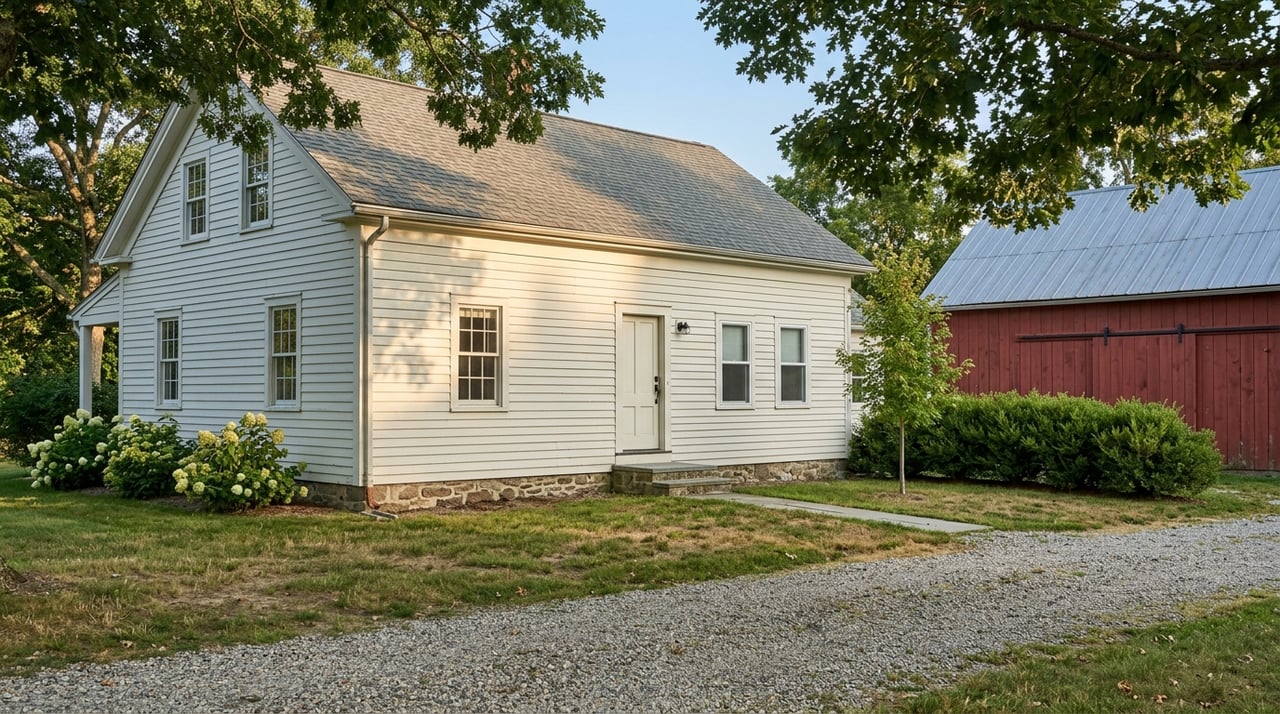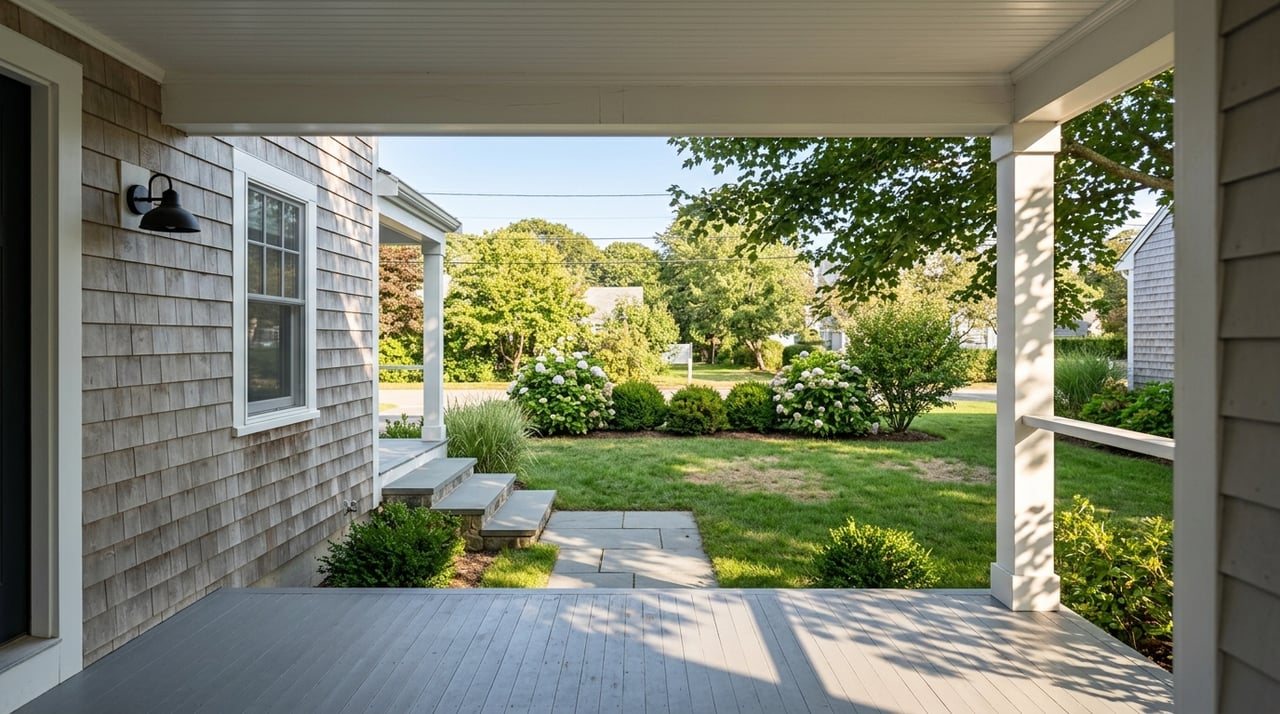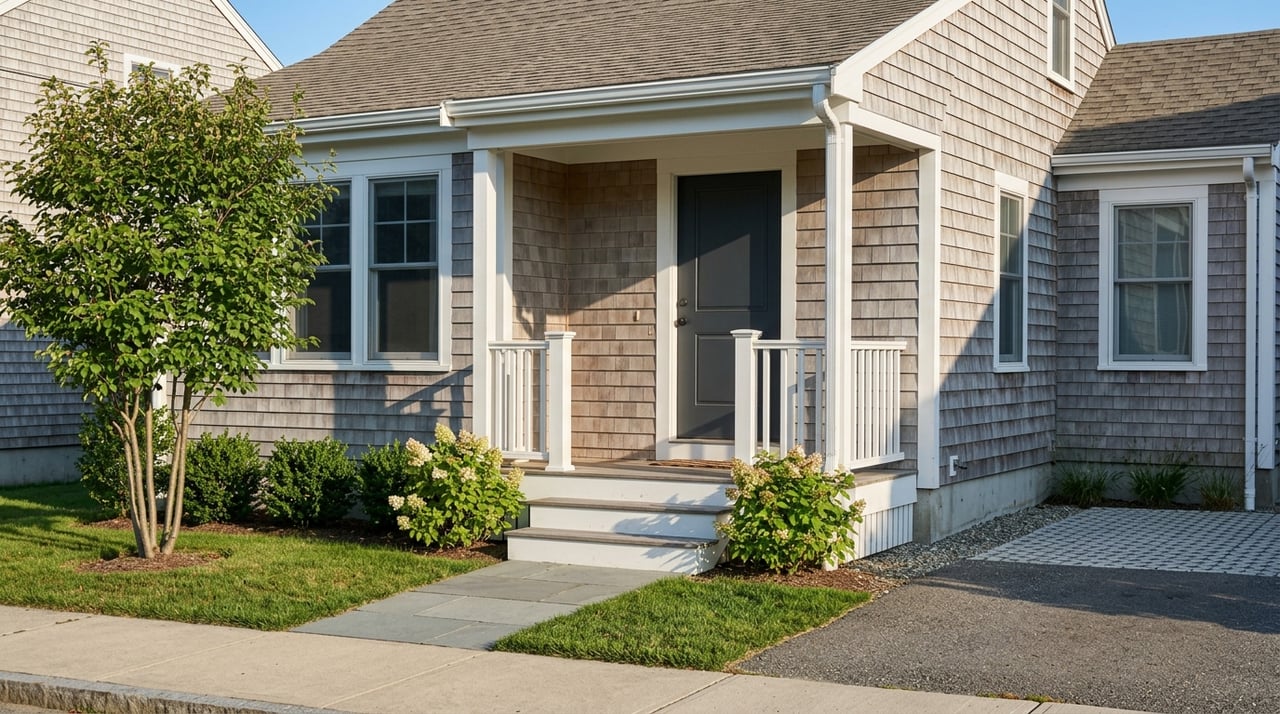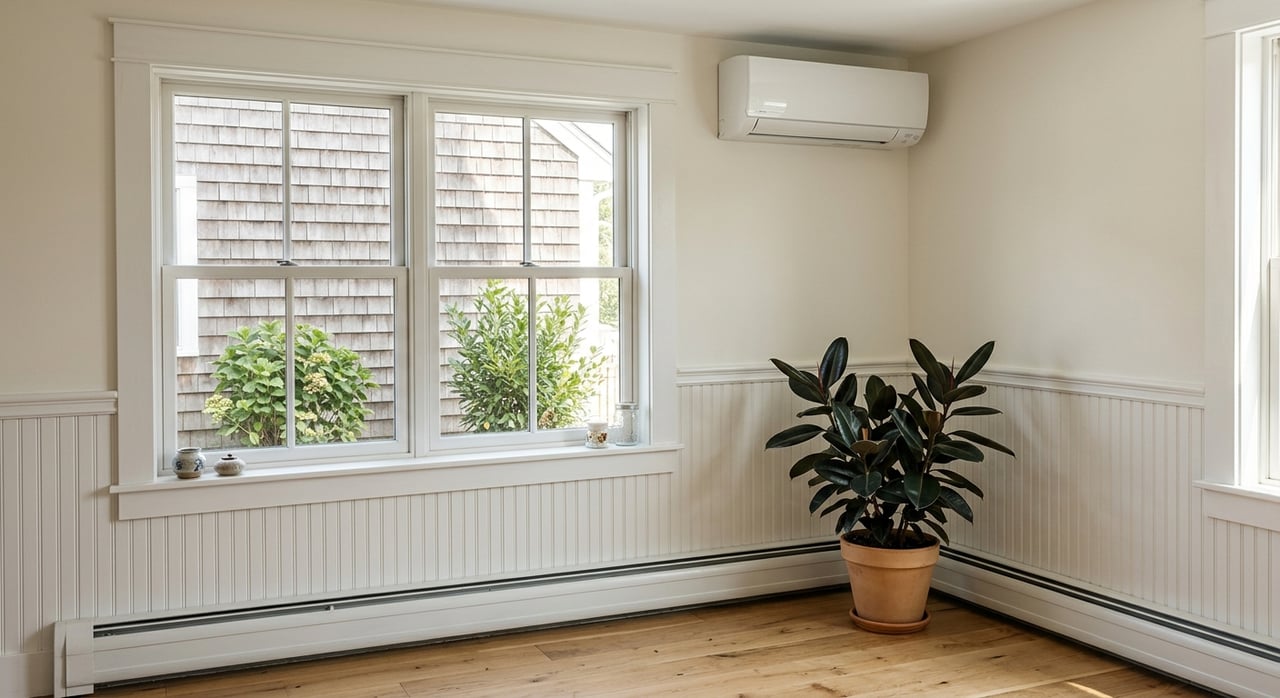
Thinking about a Mattapoisett home for summer weekends, longer stays, or full-time living? The choice between a seasonal home and a year-round home can affect far more than your lifestyle. It can shape financing, insurance, maintenance, and even local tax questions. If you want to buy with fewer surprises, it helps to understand how these properties work in practice. Let’s dive in.
Seasonal vs. year-round basics
In Mattapoisett, the difference between a seasonal home and a year-round home is not just about how often you plan to use it. It also comes down to whether the property can safely handle winter conditions and how your lender and insurer classify the home. That matters in a South Coast town where shoreline exposure, winter storms, and flood control are part of the ownership picture.
A year-round home is generally set up for regular occupancy through colder months. A seasonal home is more likely to follow a winter shutdown plan or reduced-use schedule. In practical terms, you are evaluating the home’s systems, its cold-weather durability, and whether the property supports the way you actually want to live.
Why Mattapoisett changes the conversation
Mattapoisett sits in Massachusetts’ South Coastal coastal zone region. That means buyers should pay close attention to storm exposure, water intrusion risks, and flood-related questions, especially for homes near the shoreline or other low-lying areas.
Because of that coastal setting, the seasonal versus year-round question becomes more important here than it might in an inland market. A home that works beautifully in July may need significant planning to perform well in January. If you are buying near the coast, winter readiness is not a side issue.
What makes a home year-round
A year-round home should be able to stay heated, dry, and accessible through winter without unusual shutdown steps. You want a property with a reliable heat source, plumbing protected from freezing, and a building envelope that can handle steady cold-weather use.
Massachusetts housing guidance sets a heating season from September 15 through June 15. That long window matters because a home intended for year-round use should be ready to function safely across most of the year, not just during peak summer months.
For buyers, this often means looking beyond finishes and focusing on systems. Tight windows and doors, sensible pipe locations, and dependable heat distribution all matter. If the home will sit empty at times during winter, it is also smart to ask about low-heat monitoring or a remote plan for checking the property.
What makes a home seasonal
A seasonal home is usually designed or managed with periodic vacancy in mind. In many cases, the key question is not whether the home is charming or well located. It is whether the house can be shut down and reopened without creating freeze damage, water issues, or insurance headaches.
That is especially relevant in Massachusetts, where winter weather can lead to burst pipes and ice dams. State insurance guidance also notes that coverage can be affected if a home was not properly heated or was left unoccupied under certain conditions.
A seasonal property can still be a strong fit if your goals are mainly weekend use or warm-weather living. But you should go in knowing that ownership often includes a more active winter closure plan, plus more attention to reopening and monitoring each season.
Construction features to check first
If you are comparing homes in Mattapoisett, start with the parts of the house that affect winter performance. The most important differences are usually not cosmetic. They are tied to heat, water lines, insulation, and how the property handles vacancy.
Here are smart questions to ask during showings and due diligence:
- What is the primary heat source?
- Are supply lines insulated?
- Do any pipes run through crawlspaces, attics, or other cold areas?
- How is the water shut off or drained for winter?
- Have the furnace and water heater been serviced regularly?
- Is there a low-temperature alarm or other monitoring system?
- Are vents and exhaust pipes positioned so they can be kept clear of snow and debris?
These questions matter because Massachusetts winterization guidance specifically points owners toward pipe insulation, water-line protection, and annual professional checks for furnaces and water heaters. In a coastal setting, that kind of planning can help reduce repair risk and protect your budget.
Financing can differ more than buyers expect
Many buyers assume a lender will simply accept the listing description. In reality, mortgage underwriting usually turns on occupancy classification and whether the property is suitable for the intended use.
For second-home financing, Fannie Mae says the property must be a one-unit home, occupied by the borrower for some portion of the year, suitable for year-round occupancy, and not a rental property or timeshare. Rental income from the property generally cannot be used to qualify.
Freddie Mac has a similar approach, but it allows some second homes with seasonal limits on year-round occupancy if the appraiser uses comparable sales with similar limitations to show marketability. For a buyer in Mattapoisett, that means a seasonal cottage may still work for financing, but the lender will care about real-world use and the local comparable sales, not just the marketing language.
Insurance deserves early attention
Insurance treatment can also change depending on how the home is occupied. Massachusetts guidance says most homeowners policies cover sudden and accidental burst-pipe damage only if the home was properly heated and not left unoccupied under conditions that affect coverage.
State guidance also recommends that if a home with hot-water heat will be unoccupied during winter, the thermostat should be kept no lower than 60°F and a low-heat alarm should be installed. Frozen pipes caused by negligence, such as failing to keep the house adequately warm, may not be covered.
For buyers, the takeaway is simple. Do not wait until the last minute to understand insurance expectations. If you are buying a seasonal or part-time property, confirm early how the insurer views vacancy, winter heating, and monitoring requirements.
Flood risk should be checked upfront
Flood risk is a separate issue from standard homeowners insurance, and it can be especially important in Mattapoisett. For homes in Special Flood Hazard Areas with government-backed mortgages, flood insurance is required.
Massachusetts coastal-hazard guidance also notes that some coastal areas can be harder to insure. If the property is near the shoreline or in a lower-lying area, you should review flood mapping and lender requirements as early as possible.
This is one of the clearest reasons to compare homes carefully before you get too far along. Two properties with similar price points and similar appeal can carry very different long-term costs if flood insurance and coastal exposure differ.
Local tax and town questions
In Mattapoisett, occupancy status can also affect local administrative and tax questions. The town’s assessors page links parcels to property record cards, which can help you review property details during due diligence.
Mattapoisett’s FAQ also notes that the contents of second homes are subject to personal property tax. That does not automatically make a seasonal purchase the wrong move, but it does mean buyers should understand how second-home status may affect ownership beyond the mortgage payment.
If you are looking at a coastal lot or a property near wetlands, ask early whether future additions or major work may need Conservation Commission review. That is especially important if your plan includes upgrades, expansion, or value-add work after closing.
Seasonal vs. year-round trade-offs
The right choice depends on how you plan to use the property and how much operational complexity you are comfortable managing. Seasonal homes can make sense for buyers who want a warm-weather retreat or occasional use. Year-round homes are often simpler if you want flexibility, steady occupancy, or fewer winter-related unknowns.
Here is a practical comparison:
| Factor | Seasonal Home | Year-Round Home |
|---|---|---|
| Winter use | Often limited or managed with shutdown steps | Designed for regular cold-weather occupancy |
| Financing | May require closer review of marketability and occupancy | Often more straightforward if suitable for full-year use |
| Insurance | Vacancy and heating rules may be more important | Still important, but often easier to align with standard use |
| Maintenance | More seasonal opening and closing tasks | More continuous systems management |
| Flexibility | Best for planned part-time use | Better for full-time, extended, or changing use |
In Mattapoisett, these trade-offs are sharper because of the coastal setting, winter weather exposure, and the town-level questions that can come with second-home ownership. The cheapest or prettiest option is not always the easiest one to own.
How to decide with confidence
If you are torn between seasonal and year-round, start with your actual use plan. Do you want a summer base, a long-weekend property, a future full-time home, or a place that needs to work in every season from day one?
Then match that goal to the property’s systems and ownership profile. A home can be attractive on paper and still create friction if the heat, plumbing, insurance, or flood exposure do not fit your plans. Buying well in Mattapoisett means looking at the whole picture, not just the listing photos.
If you want practical guidance on comparing homes, reviewing red flags, and understanding the real ownership trade-offs in South Coast markets, connect with Zach Midwood. You will get direct, local advice built around how the property actually performs, not just how it is marketed.
FAQs
What is the difference between a seasonal and year-round home in Mattapoisett?
- A seasonal home is usually intended for part-time or warm-weather use and may need winter shutdown steps, while a year-round home is set up for regular occupancy through colder months.
Can you finance a seasonal home in Mattapoisett?
- Yes, in some cases, but lenders will look closely at occupancy type, marketability, and whether comparable sales support the property’s use and condition.
Does insurance work differently for a seasonal home in Massachusetts?
- Yes, occupancy and winter heating practices can affect coverage, especially for risks like frozen or burst pipes when a home is left unoccupied.
Do Mattapoisett buyers need to worry about flood insurance?
- Yes, especially for homes near the shoreline or in low-lying areas, because flood insurance may be required for certain loans in Special Flood Hazard Areas.
Are there local tax issues for second homes in Mattapoisett?
- Mattapoisett notes that the contents of second homes are subject to personal property tax, so second-home status can create additional local tax questions.
Should you buy a year-round home instead of a seasonal home in Mattapoisett?
- It depends on your goals, but year-round homes are often simpler for financing, insurance, and winter maintenance, while seasonal homes can still work well for part-time coastal use.