Wondering whether a waterfront home in Fairhaven is worth the extra complexity, or if an in-town home might fit your life better? It is a smart question, especially in a coastal market where lifestyle, access, and property conditions can vary a lot from one part of town to another. If you are comparing Fairhaven waterfront vs in-town homes for buyers, this guide will help you weigh the real trade-offs so you can move forward with more confidence. Let’s dive in.
Fairhaven buyers have two distinct paths
Fairhaven gives you a mix that many Southcoast buyers find appealing. It is a coastal Bristol County town of about 15,878 people with nearly 30 miles of shoreline, a historic center around the Acushnet River waterfront, and main travel corridors along Route 6 and Main Street.
That geography shapes how homes feel from one area to the next. Some buyers are drawn to waterfront-adjacent areas like Sconticut Neck and West Island, while others prefer the established in-town neighborhoods near the historic core, community spaces, and daily conveniences.
Waterfront homes in Fairhaven
What the setting is like
The clearest waterfront-adjacent areas in Fairhaven are Sconticut Neck and West Island. According to the town’s hazard plan, these areas extend into Buzzards Bay and are mostly low-density residential, with many former summer cottages that have since been converted to year-round homes.
That means the housing stock can feel different from more conventional neighborhood blocks. You may find homes with a distinctly coastal layout, elevated structures, or older buildings that have been adapted over time for full-time living.
What buyers often like most
If your goal is to make the coast part of everyday life, the waterfront side of Fairhaven has a clear appeal. Fort Phoenix State Reservation offers a beach, boardwalk, courts, picnic areas, showers, accessible beach access, and free parking.
You also get closer access to town-managed waterfront uses. West Island Town Beach uses town beach passes, and Fairhaven’s Marine Resources program handles permits for boat ramps, dinghies, shellfish activity, and moorings.
For some buyers, that access is the whole point. If you picture boating, paddling, beach time, or simply living near the bay and harbor, waterfront-adjacent areas may feel like the stronger match.
What to watch carefully
The biggest trade-off is that coastal ownership often comes with more rules and more due diligence. Fairhaven’s Conservation and Sustainability Department administers the Wetlands Protection Act and the town’s wetlands bylaw for beach, barrier, wetland, and water-resource areas.
The town hazard plan also notes that VE zones are special flood hazard areas with velocity-wave action and mandatory flood-insurance purchase requirements. In practical terms, you should confirm flood zone status, elevation history, and any shoreline-related permit needs before you assume a waterfront property will be simple to own or improve.
There can also be more logistics around access and parking. Fairhaven’s waterways rules include separate permit and sticker systems for some water-related uses, and the Highway Department enforces a town-wide winter parking ban.
In-town homes in Fairhaven
What the setting is like
The in-town side of Fairhaven centers on the historic core and the surrounding established neighborhoods. Town planning materials describe this area as a 19th-century center clustered around the waterfront, with development extending north and east along commercial corridors.
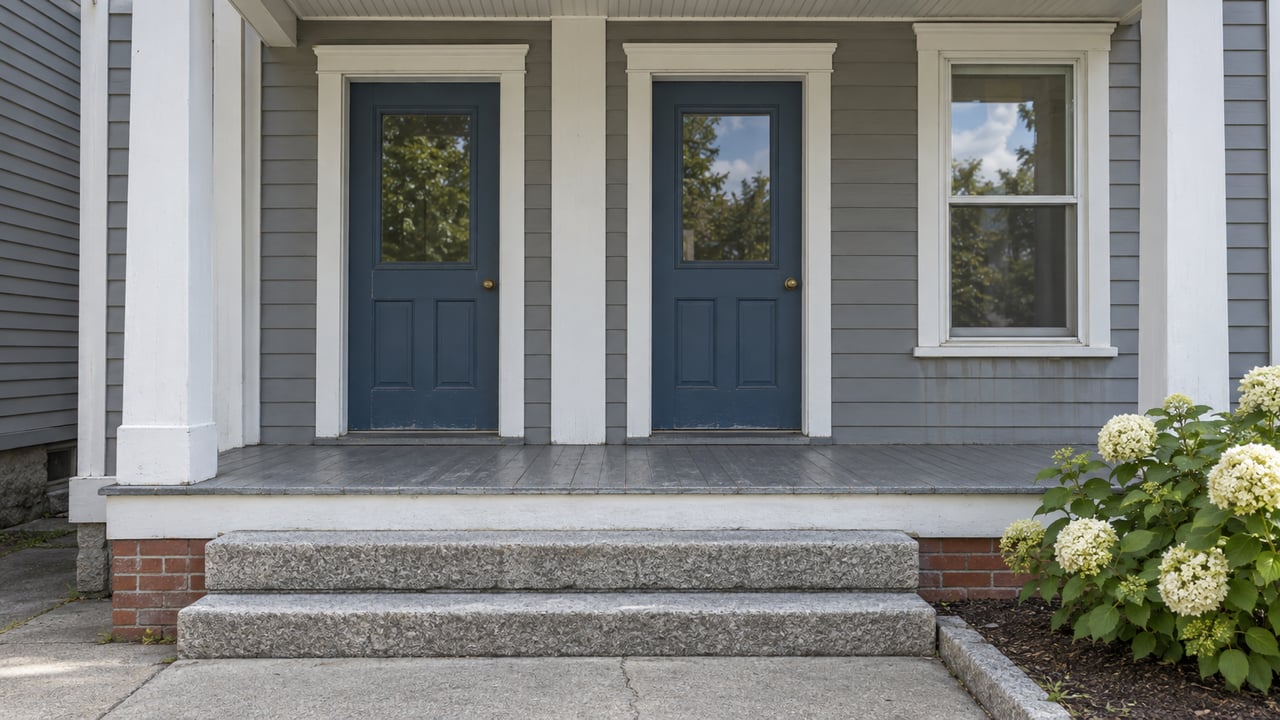
The hazard plan also notes that North Fairhaven is densely populated with older two-family homes. More broadly, much of the town’s residential development lies within one mile of New Bedford Harbor, especially on the western side of town, with more homes along Route 6 and Sconticut Neck Road.
What buyers often like most
In-town homes tend to work well if you want daily convenience and a more routine neighborhood rhythm. Fairhaven’s community materials highlight scenic waterfront areas, historic landmarks, unique shops, festivals, and civic destinations that are tied closely to the town center.
Town pages also point to in-town touchpoints like Homecoming Day Fair at Fairhaven Center and Millicent Library on Center Street. Fairhaven’s Complete Streets work supports walking, biking, and crossing improvements, including projects connected to Main Street and the Phoenix Rail Trail.
The Phoenix Bike Path adds another layer of convenience. Town documents describe it as a 3.9-mile route starting at Main and South Streets and running to the Mattapoisett town line.
What buyers trade off
The in-town side usually means less immediate beach and boating access than waterfront-adjacent locations. That does not make it better or worse. It simply points to a different daily experience.
In-town living often favors errands, events, and civic access over direct shoreline frontage. You may also deal with fewer beach-pass, ramp-sticker, and mooring-permit logistics, even though winter parking restrictions still apply town-wide.
Fairhaven price context
If you are budgeting for either option, it helps to look at Fairhaven as a range instead of a single number. Current portal data place the market roughly in the low-to-mid $500,000s, with median and average figures around the low $500,000 range depending on source methodology.
That range matters because buyers sometimes assume every waterfront-adjacent home will be priced far above the rest of town or that every in-town home will be a bargain. In reality, condition, lot characteristics, age, flood-zone status, updates, and exact location can all affect value.
Fairhaven’s housing stock is also older in many areas. The town hazard plan says nearly 3,000 homes were built before 1940, which means buyers in both waterfront and in-town settings should pay attention to maintenance history, systems, and renovation quality.
How to decide which fit is better
Waterfront may fit better if
- You want boating, paddling, beach access, or a strong coastal setting as part of daily life.
- You are comfortable reviewing flood-zone details, insurance requirements, and shoreline-related permit issues before making an offer.
- You understand that some shoreline areas are tied not only to scenic views but also to working-waterfront activity like marine repair, construction, and fishing.
In-town may fit better if
- You value access to the town center, community events, library, shops, and trail connections more than direct waterfront frontage.
- You want a setting that is generally more oriented around everyday neighborhood routines.
- You prefer a home search with fewer shoreline-specific ownership questions.
Smart questions to ask before you buy
No matter which side of Fairhaven you prefer, the best next step is careful property-level due diligence. A good home choice here often comes down to details that do not show up in the first photo set.
Here are four practical questions to ask during your search:
- Is the property in a FEMA flood zone or coastal resource area?
- Would additions, decks, grading, fencing, or landscaping require conservation review or shoreline-related permits?
- What are the winter parking realities, and are there separate rules for beach or boat access?
- Is the home closer to the town-center amenity pattern or to the beach and boat-launch pattern you actually want to use?
The bottom line for Fairhaven buyers
There is no universal winner in the Fairhaven waterfront vs in-town debate. The right choice depends on how you want to live, what kind of property complexity you are comfortable with, and how much value you place on shoreline access versus in-town convenience.
If you want the bay woven into daily life, waterfront-adjacent Fairhaven may be worth the extra homework. If you want a more conventional day-to-day setup with easier access to town amenities and community destinations, in-town Fairhaven may give you a better fit.
If you want help sorting through Fairhaven homes with a practical, local lens, connect with Zach Midwood for straightforward guidance on what to look for and what questions to ask before you buy.
FAQs
What is the main difference between waterfront and in-town homes in Fairhaven?
- Waterfront-adjacent homes usually offer stronger access to Buzzards Bay, beaches, and boating-related amenities, while in-town homes tend to be closer to Fairhaven’s historic center, community destinations, and everyday errands.
Are waterfront homes in Fairhaven more complicated to buy?
- They can be, because some coastal properties may involve flood-zone review, flood insurance requirements, wetlands rules, elevation questions, or shoreline-related permit considerations.
What areas are considered waterfront-adjacent in Fairhaven?
- Sconticut Neck and West Island are the clearest waterfront-adjacent settings identified in the town’s hazard planning materials.
What are the benefits of buying an in-town home in Fairhaven?
- In-town homes may offer easier access to Fairhaven Center, the library, local events, Main Street connections, and the Phoenix Bike Path, along with a more conventional neighborhood routine.
Is Fairhaven mostly made up of single-family homes?
- Yes. Fairhaven’s housing stock is mostly detached single-family homes, though the town also has older two-family housing in some areas, including parts of North Fairhaven.
What should Fairhaven buyers ask about any home before making an offer?
- Buyers should ask about flood-zone status, permit requirements, parking rules, and whether the location better matches a town-center lifestyle or a beach-and-boating lifestyle.