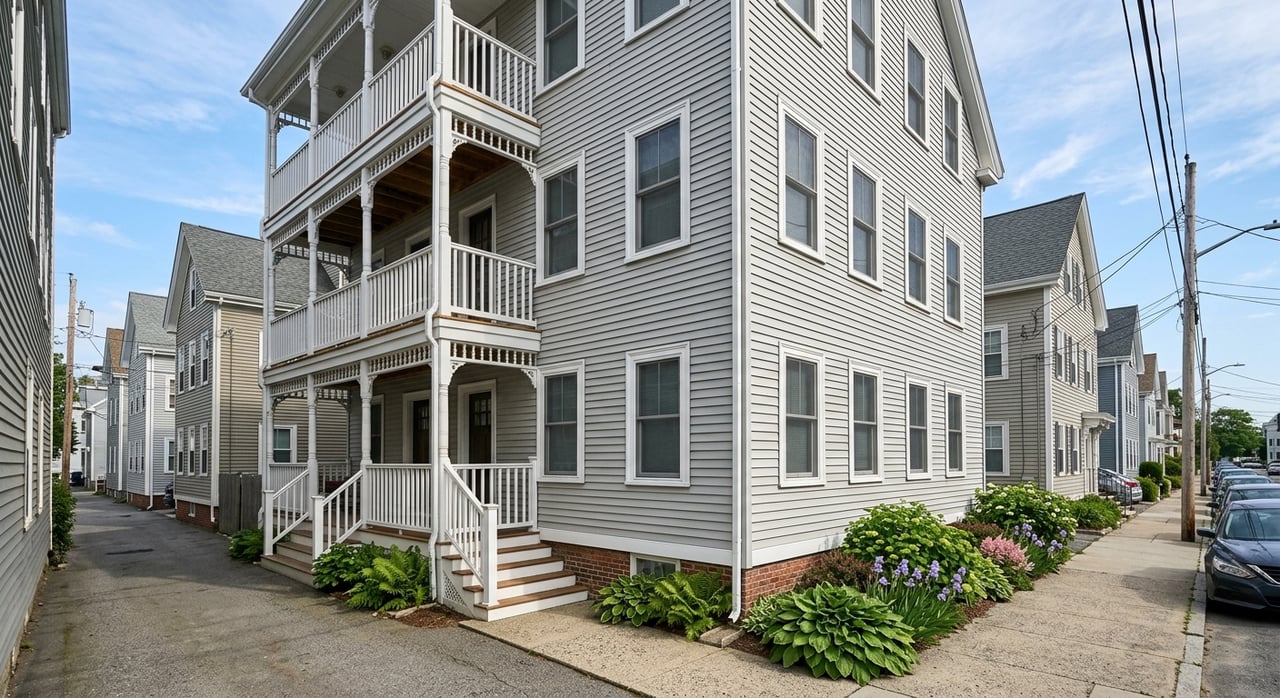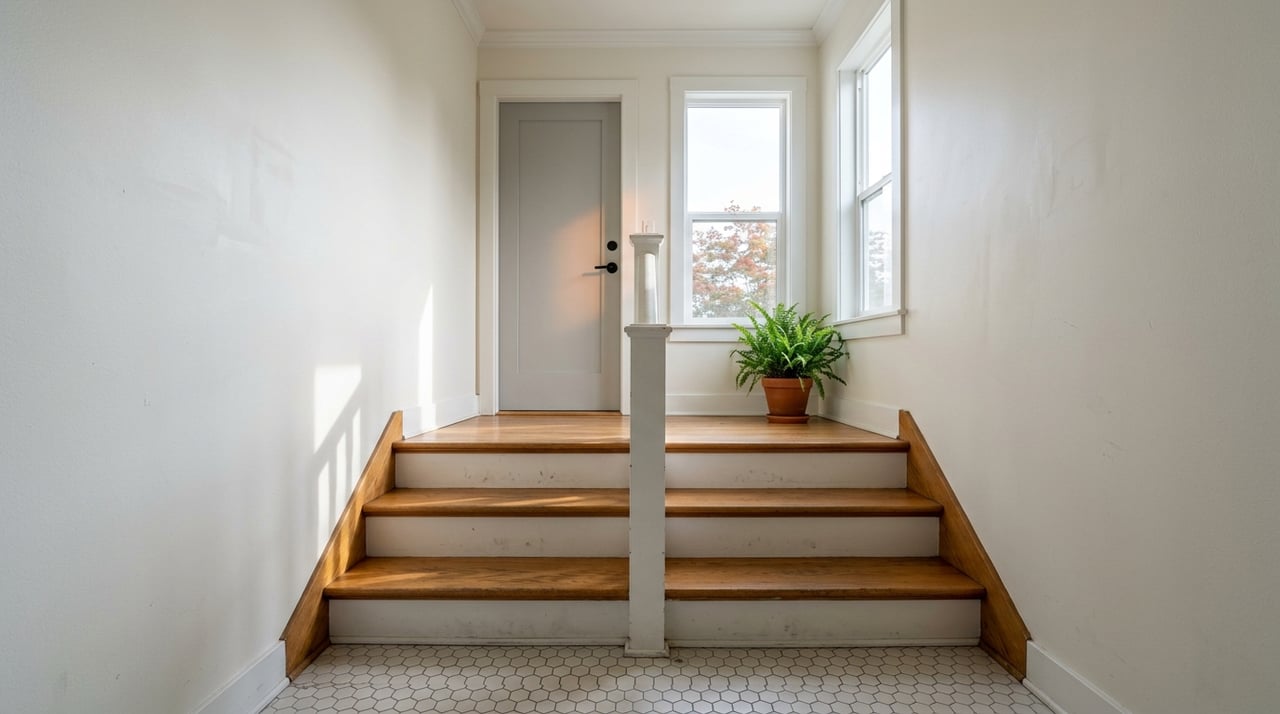
If you own a multifamily in New Bedford, one question can shape your whole sale: should you list it vacant or with tenants in place? That choice affects showings, financing, repairs, timing, and even what kind of buyer is most likely to make a strong offer. In a city with a large rental housing base and many older buildings, the right answer is rarely one-size-fits-all. Let’s break down how to think about it.
Why occupancy matters in New Bedford
In New Bedford, occupancy status is not a small detail. According to the 2019 to 2023 American Community Survey, the owner-occupied housing unit rate was 40.0%, which points to a market with a meaningful share of rental housing. The city also reports that just over half of its housing units were built before 1940, which means older-building issues can play a bigger role in the sale process.
For you as a seller, that usually means the vacant-versus-occupied decision is really about tradeoffs. Do you want easier access, cleaner presentation, and a broader path for some buyers? Or do you want to preserve rental income and market the property as an operating asset?
When vacant delivery makes sense
Vacant delivery often makes the sales process simpler. Without tenants in place, it is usually easier to schedule showings, take photos, complete inspections, and prepare units for market. That can be especially helpful if your building needs turnover work or if you want buyers to see the layout and condition without distractions.
In Massachusetts, landlords can show residential space to prospective purchasers, mortgagees, or their agents, but access to occupied units still needs to be handled through the lease, court order, or another legal basis. Legal-aid guidance also frames entry around reasonable notice and, when possible, appointments. In real life, that means occupied showings can take more coordination and more time.
Vacant units can help owner-occupant buyers
If your likely buyer is someone who wants to live in one of the units, vacancy can make the property easier to finance and easier to picture as a home. FHA single-family programs apply to one- to four-family properties that will be owner-occupied as a principal residence. A vacant unit can make that move-in path more straightforward for a buyer.
That matters in New Bedford because owner-occupants are still a meaningful part of the market. If your property would appeal to someone who wants rental income plus a place to live, having one unit delivered vacant may widen your buyer pool.
Vacant delivery helps value-add sales
Vacancy can also be useful when the property needs updates. Buyers can walk empty units more easily, estimate rehab costs with less guesswork, and understand the scope of work without working around a tenant’s belongings or schedule. If your sales strategy depends on future upside, a vacant unit may help that story come through more clearly.
When occupied delivery makes sense
Occupied delivery can be the better move when your rents are solid and the building is performing well. For many investors, existing income is part of the value. Instead of buying a blank slate, they are buying a property with a rent roll, active leases, and cash flow from day one.
This can be especially important if you want to avoid carrying costs during vacancy. If you clear units before listing, you may be giving up rent while still paying taxes, insurance, utilities, and maintenance. In some cases, preserving income until closing creates the better net result.
Occupied buildings can fit investor underwriting
Lenders and buyers often look closely at rental income on two- to four-unit properties. Fannie Mae says rental income may be used when it is likely to continue, including for certain principal-residence purchases and one- to four-unit investment properties. Freddie Mac says gross monthly rental income can come from signed leases, and if there is no active lease, the lender may use the appraisal’s estimated rental income.
That is one reason occupied properties can appeal to investor buyers. If the leases, unit mix, and condition support the numbers, an occupied building may tell a stronger income story than a vacant one.
The tradeoff is more coordination
The downside is access. Even though Massachusetts law recognizes a landlord’s ability to show an apartment to prospective purchasers, the tenant’s right to occupy the unit still matters. In practice, occupied sales often involve more scheduling, fewer ideal showing windows, and more moving parts if tenants are hard to reach or less cooperative.
That can affect your marketing timeline. It can also affect how well the property presents online and in person, especially if some units are cluttered, in mid-tenancy wear, or simply unavailable for photography at the right time.
New Bedford’s older housing stock changes the decision
Because so much of New Bedford’s housing stock predates 1940, condition issues can be a bigger factor here than in newer markets. Older multifamilies may raise questions about deferred maintenance, turnover work, code concerns, or lead paint disclosures. Whether the property is vacant or occupied, those issues can shape buyer confidence and lender comfort.
If your building needs visible work, vacancy may help buyers assess it more clearly. If the building is occupied but stable, with units that show reasonably well and a strong paper trail, occupancy may support the sale by proving current performance.
Massachusetts rules sellers should plan for
Selling an occupied multifamily in Massachusetts comes with details you should not leave until the last minute. A realistic plan matters, especially if you are hoping to deliver a unit vacant by closing.
Showings require a process
Massachusetts law allows a landlord to show a residential unit to prospective purchasers, mortgagees, or their agents, but occupied access still needs to be handled carefully. Your lease terms, notice practices, and scheduling process all matter. If you have tenants in place, you should not assume access will be as easy as it is with a vacant property.
Security deposits transfer at closing
If you sell with tenants in place, Massachusetts General Laws chapter 186, section 15B requires the security deposit and accrued interest to transfer to the successor owner. It is not the flashiest part of the transaction, but it is an important closing detail. Missing it can create problems for both sides.
Lead disclosure is a major issue
For older New Bedford multifamilies, lead compliance can affect strategy. Massachusetts law requires sellers to provide lead-notification materials to prospective purchasers before the purchase-and-sale agreement is signed. The seller and any real estate agent involved must also disclose known information about lead hazards.
Because so many local properties were built before 1940, this is not a rare issue. It should be part of your planning from the start, whether you are selling vacant or occupied.
A practical way to choose
In most cases, the best choice comes down to buyer fit, timing, and net outcome.
Vacant delivery may be stronger if:
- You expect interest from owner-occupant buyers
- One or more units need turnover work
- You want easier showings and photography
- You want buyers to see renovation potential clearly
- Tenant coordination is likely to slow the sale
Occupied delivery may be stronger if:
- The rent roll is solid
- Leases and payment history support the income story
- The property shows well with tenants in place
- Preserving rent until closing is important
- Your likely buyer is an investor focused on cash flow
The key is not just sale price. You also want to weigh vacancy carry, repair costs, relocation risk, timing, and how financing may affect your buyer pool. The strongest strategy is usually the one that gives you the best net result after all of those factors are considered.
Avoid promising vacant delivery too soon
This is one of the most common mistakes multifamily sellers make. If tenants are still in place, do not promise a vacant closing date until you have reviewed the lease terms, the actual possession timeline, the showing process, and any legal or property-management steps involved.
In a market like New Bedford, where many buildings have long-standing rental relationships, realistic planning matters. A clean strategy upfront is almost always better than trying to force a timeline later.
The right answer depends on your property
There is no universal rule that vacant is better or that occupied is safer. In New Bedford, some properties sell best as clean slates for owner-occupants or value-add buyers. Others sell best as income-producing assets with a rent roll that supports the asking price.
What matters most is matching the sales plan to the building. You want a strategy that reflects the property’s condition, tenant situation, likely buyer, and the real costs of each path. That is where local multifamily experience can make a real difference.
If you are weighing whether to sell your New Bedford multifamily vacant or occupied, a practical plan can save time, reduce friction, and protect your bottom line. For help building the right sale strategy, connect with Zach Midwood.
FAQs
Can I sell a New Bedford multifamily with tenants in place?
- Yes. An occupied sale can work well, especially if the property’s income stream is a key selling point for investor buyers.
Do tenants have to allow showings during a New Bedford multifamily sale?
- Massachusetts law allows landlords to show residential space to prospective purchasers, mortgagees, or their agents, but access must still be handled carefully through the lease, court order, or another legal basis, with reasonable notice when possible.
Is financing easier if one unit is vacant in a New Bedford multifamily?
- It can be, especially when the likely buyer wants to owner-occupy one unit. A vacant unit may create a simpler move-in path for some buyers using one- to four-family owner-occupied financing.
Who handles the security deposit when selling an occupied multifamily in Massachusetts?
- If the property sells with tenants in place, Massachusetts law requires the security deposit and accrued interest to transfer to the new owner at closing.
Does lead paint affect a New Bedford multifamily sale strategy?
- Often, yes. Because many local properties are older, lead disclosure can be a significant transaction item and should be part of your planning before the purchase-and-sale stage.
When should I choose vacant delivery for a New Bedford multifamily?
- Vacant delivery is often worth considering when you want easier showings, expect owner-occupant interest, or need buyers to evaluate repairs and renovation potential more clearly.
When should I choose occupied delivery for a New Bedford multifamily?
- Occupied delivery may be the better option when the rents are strong, the building presents well, and preserving income until closing is important.