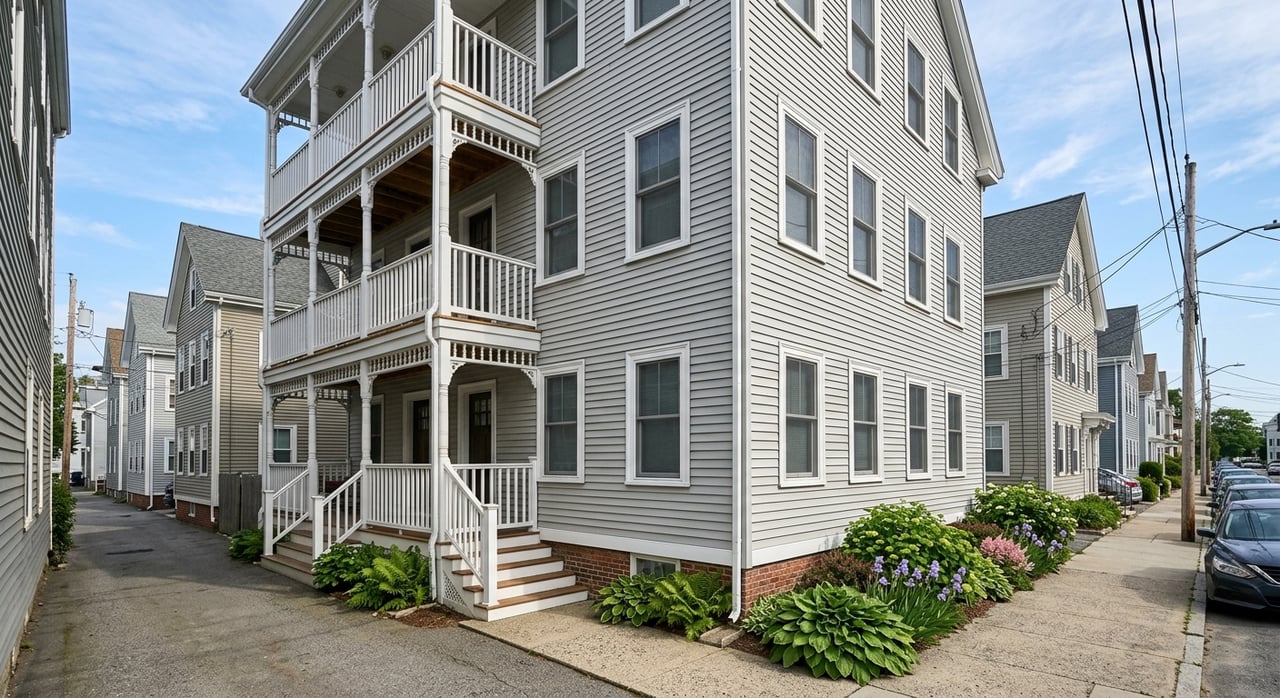
Buying or renovating a Fall River triple-decker can look simple on paper until the real scope starts to show up. These buildings often combine age, stacked unit layouts, and older systems in ways that can move a rehab budget fast. If you want to underwrite a project with fewer surprises, it helps to budget like a local operator, not like you are pricing a basic cosmetic update. Let’s dive in.
Why Fall River triple-deckers need a different budget
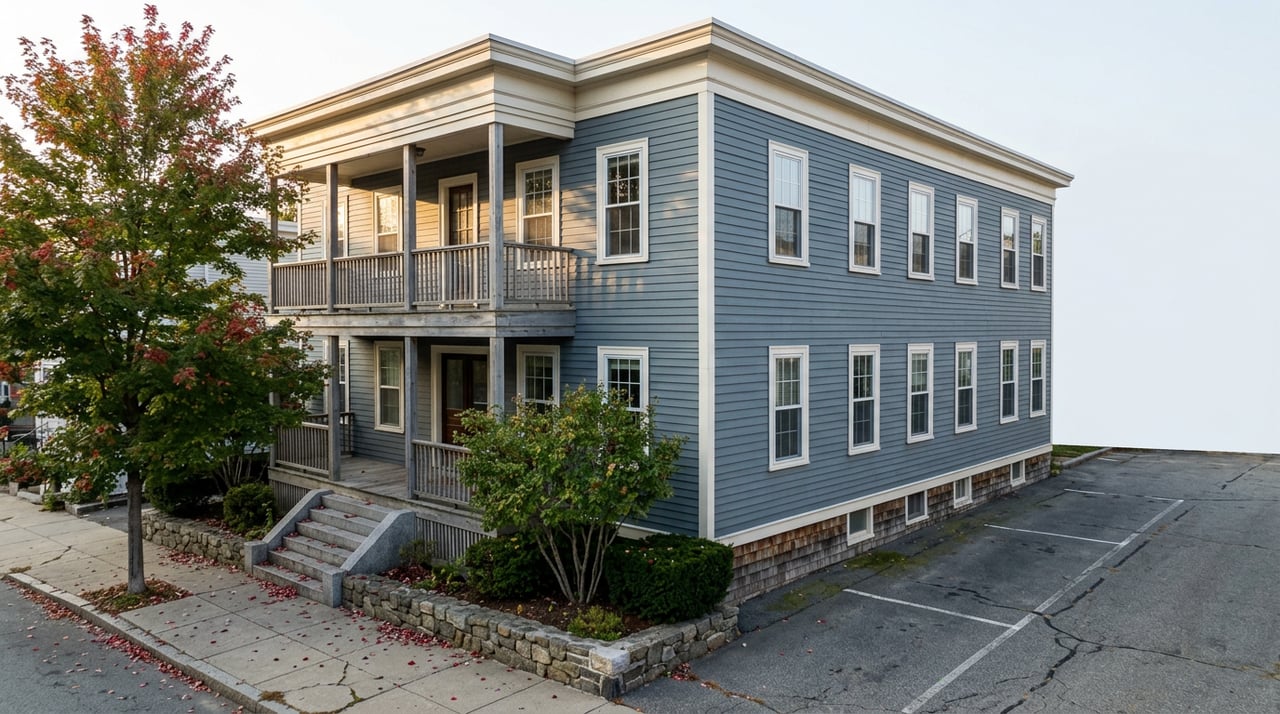
Fall River has one of the strongest concentrations of triple-deckers in southeastern Massachusetts. The Massachusetts Historical Commission describes the local three-decker as a three-story structure with a hip or gable roof, three-story polygonal bays, and triple-tier covered porches.
That design matters because it tends to create more exterior surface area, more roof and flashing detail, and more porch and trim maintenance than a simpler building. In practical terms, that usually means more labor, more access challenges, and more places for hidden damage to live.
The city’s housing stock also skews older. Census Reporter shows that about 77% of housing units in Fall River are in multi-unit structures, and a city housing profile reports that 55% of units were built before 1939.
For your rehab budget, that should change your mindset from the start. Older wiring, aging plumbing, lead-related work practices, and deferred maintenance are not edge cases in this market. They are common planning assumptions.
Code review is part of the budget
A Fall River triple-decker is not treated the same way as a one- or two-family house under Massachusetts code. The state says the Residential Volume applies only to one- and two-family structures and certain townhouses, while the Base Volume governs everything else.
For a three-family building, that is a practical sign that your project may involve broader review, more trade permits, and closer attention to egress, fire protection, and common areas. Massachusetts is currently on the 10th edition of 780 CMR, effective October 11, 2024.
Fall River’s Inspectional Services Department handles building, plumbing, wiring, zoning, conservation, weights and measures, and code enforcement functions. That means permit costs, inspection timing, and trade coordination should be built into your numbers on day one.
Start with the biggest cost drivers
Public cost guides work best as planning benchmarks, not final bids. For a Fall River triple-decker, the largest line items are often the roof, exterior work, windows, electrical, plumbing, and kitchens and baths.
The safest approach is to treat published averages as a floor. Access, building height, hidden damage, and repeated work across multiple units can push final pricing well above a simple single-family estimate.
Roof costs can escalate quickly
This Old House pegs a 2,000-square-foot asphalt roof at about $10,042 on average. It also notes that larger or more complex roofs cost more, and nearly 24% of surveyed homeowners reported hidden or unexpected roof damage.
That is especially relevant in Fall River triple-deckers. Tall buildings with older decking, chimney flashing, and layered repairs often reveal additional work after tear-off.
Exterior work is rarely just paint
Exterior painting for a three-story, 2,000-square-foot home averages about $8,300 to $15,200. Story count and access materially raise the cost, which matters on triple-deckers with porches, trim, and frequent ladder or staging work.
If the exterior is too deteriorated for paint alone, vinyl siding can become a fallback scope item. Public benchmarks put vinyl siding on a typical 2,000-square-foot home at about $12,252.
Window counts add up fast
Window replacement averages about $477 per window, with a typical range of $232 to $740. Homes with 25 or more windows can run $11,925 or more for full replacement.
That is a useful benchmark for large multifamily facades. A triple-decker can have a high window count, and repeated replacement across three floors can shift your budget faster than many buyers expect.
Electrical should be checked early
Electrical panel upgrades typically run about $1,300 to $3,000 for a 200-amp system. Updating old wiring can range from $601 to $2,586, and adding new circuits can run about $570 to $1,000 each.
In older three-family properties, electrical work deserves early attention during underwriting. If the service, panels, or wiring need broader upgrades, the impact can spread across units and common areas.
Plumbing is a major unknown
Whole-house plumbing is listed at about $10,000 to $20,000, and rough-in plumbing for a 2,000-square-foot home is about $9,000 before fixtures and final connections. This Old House also reports that 32% of homeowners exceeded their plumbing budget.
That statistic matters in older Fall River properties. Hidden leaks, water damage, pipe rerouting, and access work can change the number quickly once walls and floors are opened.
Kitchens and baths multiply across units
Small kitchen remodels average about $16,000 and often range from $9,000 to $25,000. Bathroom remodels run from about $6,456 to $24,715, with basic refreshes costing far less than full remodels.
In a triple-decker, these costs can repeat across multiple units. Even when you keep finishes simple, the multiplication effect is what turns a manageable update into a major capital plan.
Build your scope in layers
The most reliable way to estimate rehab costs is to break the building into categories and price it in order. That keeps you focused on the systems most likely to create budget surprises.
A practical workflow looks like this:
- Roof and structure
- Exterior envelope and windows
- Electrical and plumbing
- Kitchens and baths
- Cosmetic finishes
This order matters because the biggest unknowns in older multifamily buildings usually sit behind surfaces. If you spend too much time polishing finish selections before understanding the roof, systems, and exterior condition, your budget can get upside down fast.
Budget for lead-safe work from the start
Lead risk is a core issue in older Fall River housing. Massachusetts says homes built before 1978 may contain lead, and the Lead Law requires disclosure when pre-1978 homes are sold or rented.
The state also says renovation, repair, and painting work that disturbs more than 6 square feet per room inside or 20 square feet outside must be done by a Massachusetts lead-safe renovation contractor with a trained supervisor on site. In many triple-decker rehabs, that makes lead-safe containment a likely budget item, not an optional add-on.
If you are buying an older building and planning unit turns, exterior repairs, or interior demolition, this is one of the first items to factor into your scope. It affects labor practices, cleanup, and how quickly work can move.
Do not ignore asbestos risk
Asbestos is another common budget trap in older buildings. If you suspect materials like old floor tile, ceiling tile, or pipe wrap contain asbestos, and those materials are damaged or will be disturbed, EPA guidance says they should be sampled by a properly trained and accredited asbestos inspector.
For a Fall River triple-decker, this is especially important before demolition or larger gut work. Testing and proper handling can add cost, but skipping that step can create far bigger problems later.
Compare bids the right way
A good rehab budget depends on good scopes. Massachusetts advises getting a detailed written estimate, requesting at least two or three bids, checking contractor registration, requiring the contractor to pull permits, and avoiding large upfront payments.
Under the Home Improvement Contractor law, contracts over $1,000 must be in writing and should include a detailed work description, materials, permits, start and completion dates, and a payment schedule. The state also warns homeowners not to pay more than one-third of the estimated cost up front.
When you compare bids, do not just compare totals. Compare what each contractor included for permits, scaffolding, dumpsters, patching, lead-safe containment, and assumed hidden-rot repairs.
A lower number is not always a better number. In older triple-deckers, the cheapest bid is often just the thinnest scope.
Carry a real contingency reserve
A contingency reserve is one of the most important parts of your budget. HUD’s 203(k) handbook uses contingency reserves in the 10% to 20% range, with 15% required in some cases where utilities are not on and the structure is 30 years old or more.
That is a useful public benchmark for Fall River triple-deckers, even if you use a different loan product. For an older multi-unit building with open-wall uncertainty, a 15% to 20% reserve is a prudent planning floor.
If your project needs roof work, plumbing work, lead-safe controls, or interior demolition, cutting contingency is usually a mistake. The buildings that look straightforward from the sidewalk are often the ones that surprise you most once work begins.
Separate repairs from improvements
One of the smartest underwriting habits is to keep repair money separate from improvement money. Repairs stabilize the building. Improvements make it nicer.
If the roof, wiring, plumbing, or lead-safe work comes in under budget, it can be tempting to shift that savings into upgraded finishes right away. In older Fall River triple-deckers, that is often the wrong move until the building is stable and your contingency reserve is still intact.
The budget is usually won or lost on hidden conditions, not on tile, fixtures, or paint colors. Staying disciplined here can protect both your timeline and your return.
A practical planning approach for buyers and owners
If you are evaluating a Fall River triple-decker, start with a system-first mindset. Look at the roof, porches, windows, electrical, plumbing, and any signs of deferred exterior maintenance before you get too excited about cosmetic upside.
Then build a written scope that separates unit interiors, common areas, exterior work, and core systems. That will give you cleaner contractor pricing and a more realistic picture of what the project actually needs.
This is also where local experience matters. A broker who understands multifamily rehab budgeting, tenant coordination, and Southcoast building stock can help you pressure-test your numbers before you commit.
If you are looking at a Fall River triple-decker and want practical guidance on underwriting, scope planning, or preparing a building for sale, connect with Zach Midwood. His operator-first approach can help you make cleaner decisions with fewer surprises.
FAQs
How should you estimate rehab costs for a Fall River triple-decker?
- Start with a written scope broken into roof and structure, exterior and windows, electrical and plumbing, kitchens and baths, and then cosmetic finishes. Add permit costs, lead-safe work, and a 15% to 20% contingency reserve.
Why are Fall River triple-decker rehab costs often higher than expected?
- Many Fall River multi-unit properties are older, and older buildings are more likely to have deferred maintenance, aging systems, hidden water damage, lead-related work requirements, and access challenges tied to height and porches.
What permit issues matter for Fall River triple-decker renovations?
- Fall River’s Inspectional Services Department oversees building, plumbing, wiring, zoning, and code enforcement functions, so your budget should include permits, inspections, and trade coordination from the beginning.
What lead rules affect older Fall River triple-deckers?
- Massachusetts says pre-1978 homes may contain lead, and certain renovation, repair, and painting work that disturbs more than 6 square feet per room inside or 20 square feet outside must use a Massachusetts lead-safe renovation contractor with a trained supervisor on site.
How much contingency should you carry for a Fall River triple-decker rehab?
- A 15% to 20% contingency reserve is a prudent planning benchmark for older multi-unit buildings, especially when walls will be opened or major system work is planned.