If you are thinking about selling in Acushnet, it is easy to assume you need a big renovation budget to compete. In reality, the local market points to something simpler: buyers are still paying close attention to presentation, and many homes can make a stronger first impression with focused, lower-cost updates instead of expensive overhauls. This guide walks you through where to spend, where to hold back, and how to prep your home on a realistic budget. Let’s dive in.
Why a budget-first plan makes sense
Acushnet’s March 2026 local market update for single-family homes showed a median sale price of $629,000, median cumulative days on market of 23, and 101.8% of original list price received year-to-date. The report also notes that one-month activity can look extreme in a small sample, so these numbers are best used as a directional signal, not a promise.
For you as a seller, that signal is still useful. It suggests that market-ready homes can attract strong attention, but it does not automatically justify pouring money into a full remodel. A smarter approach is to keep your prep budget proportional to your likely sale price and focus on changes buyers notice right away.
Start with what buyers see first
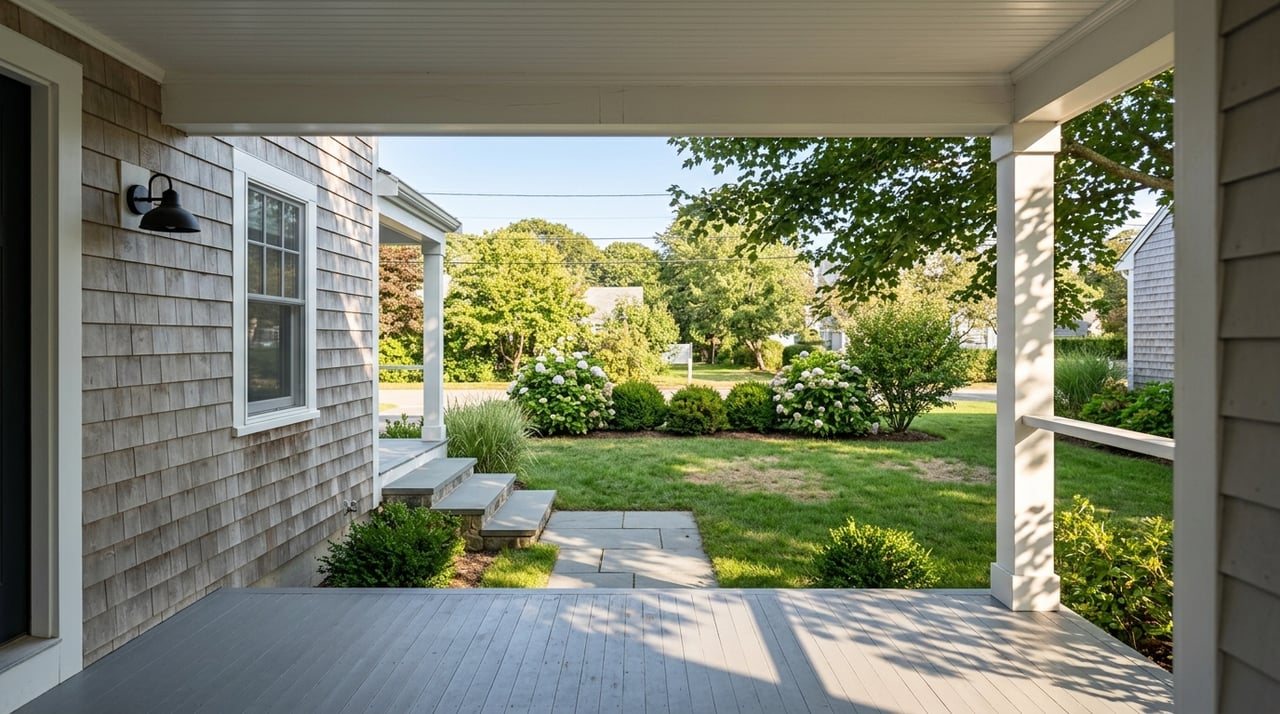
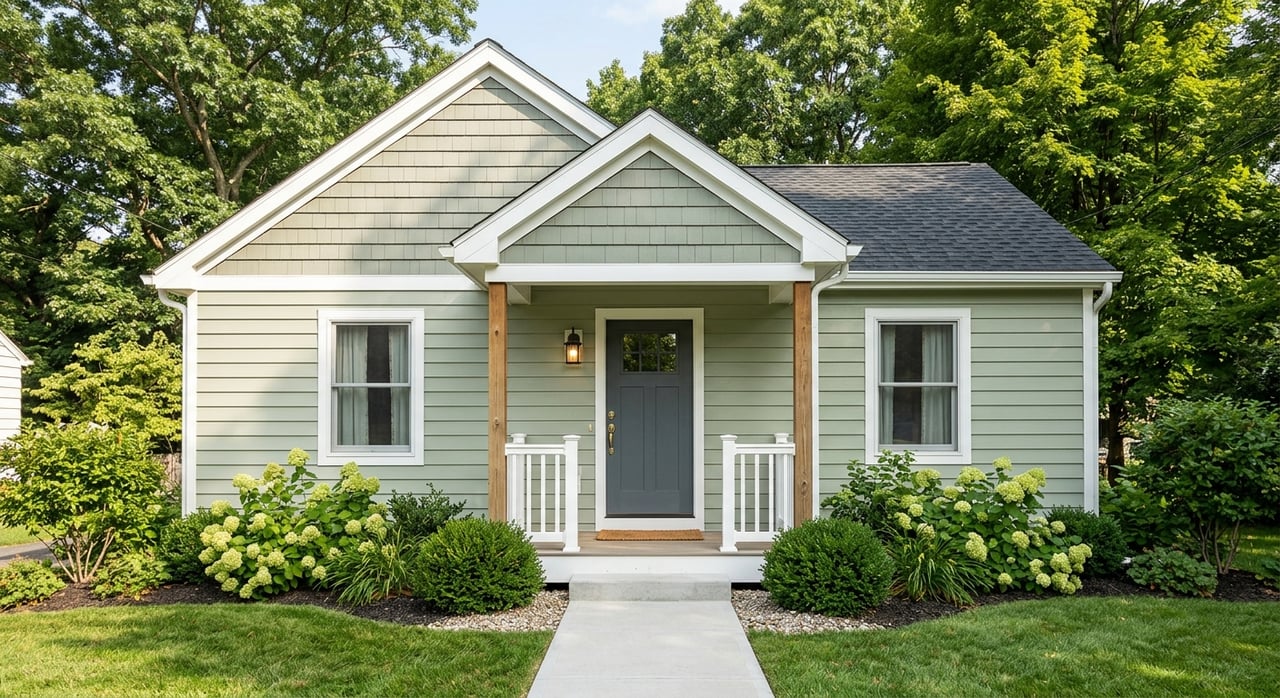
Your exterior sets the tone before anyone walks through the front door. If the yard looks neglected or the siding looks dingy, buyers may assume the inside has been maintained the same way.
That is why cleanup and curb appeal usually belong at the top of the list. In NAR’s 2025 staging survey, seller agents most often recommended decluttering, cleaning the entire home, and improving curb appeal. The same report found that 83% of buyers’ agents said staging made it easier for buyers to visualize the property as a future home.
Budget-friendly exterior updates
A few visible projects can make a meaningful difference without pushing you into renovation-level spending.
- Yard cleanup: Angi’s 2026 guide puts standard yard cleanup at about $200 to $600 on average.
- Seasonal cleanup: Spring cleanup is listed at about $100 to $300, while fall cleanup is about $200 to $500.
- Mulch installation: About $100 to $350.
- Hedge or tree pruning: About $270 to $1,400, depending on scope.
- Pressure washing: Typically about $100 to $700, with an average around $300.
If your budget is tight, start with the basics. Remove debris, trim overgrowth, edge obvious areas, and clean surfaces that look weathered.
Deep cleaning delivers strong value
One of the cheapest ways to improve first impressions is also one of the most effective. A deep clean can make the whole home feel better cared for, brighter, and more move-in ready.
Professional deep cleaning runs about $180 to $375 on average, according to Angi’s 2026 guide. For many sellers, that is one of the easiest yes decisions in the entire prep process because it affects every room, every showing, and every listing photo.
Clean before you do anything else
Cleaning early helps you make better decisions about the rest of your prep. Once dirt, dust, and buildup are gone, you can see what actually needs repair, paint, or replacement and what was just looking tired because it was overdue for a proper cleaning.
Paint only the rooms that need it most
Fresh paint can help a home show better, but that does not mean every wall needs to be redone. If you are trying to stay on budget, focus on the most visible rooms and the areas where worn paint stands out.
Angi’s 2026 paint guides estimate about $400 to $1,600 per room, roughly $2 to $6 per square foot, and about $965 to $3,089 for a whole-home interior paint project. The same guidance notes that neutral colors tend to appeal to buyers more than darker colors.
Where paint usually matters most
If you can only paint a few spaces, prioritize the rooms buyers notice first and spend the most time evaluating. That often means:
- Entry areas and hallways
- Living room
- Kitchen
- Primary bedroom
- Any room with scuffed, bold, or patchy walls
A focused paint plan can make the house feel fresher without turning prep into a major project.
Clean carpets before replacing them
Worn flooring can worry sellers because it feels expensive to address. The good news is that if your carpet is still structurally fine, cleaning is often the better first move.
Angi’s 2026 carpet-cleaning guide puts professional carpet cleaning at about $123 to $242 per room. By comparison, carpet replacement is far more expensive, with typical costs of about $780 to $2,813.
If the carpet is stained but serviceable, cleaning can improve the look enough to support your sale without taking a big bite out of your proceeds. Replacement usually makes more sense only when the flooring is clearly beyond recovery.
Fix the small things buyers notice
Minor defects have a way of standing out during showings. A loose handle, chipped trim, dripping faucet, or damaged wall patch may seem small on its own, but together they can make the home feel less maintained.
That is why small repairs are often a better use of money than major upgrades. Angi’s handyman guide puts common handyman projects at about $164 to $648, with an average of $406, and notes that handypersons often handle minor plumbing fixes, basic electrical tasks, painting touch-ups, carpentry, and wall repairs.
Bundle repairs into one visit
Instead of calling for one issue at a time, make a punch list. Bundling several small fixes into one visit is usually more efficient and can help you control labor costs.
Your list might include:
- Patching nail holes or wall dings
- Replacing loose cabinet hardware
- Fixing squeaky doors or sticky latches
- Repairing minor trim damage
- Touching up chipped paint
- Addressing small plumbing drips
Skip major remodels unless there is a real problem
If you are selling soon, it is usually wise to be cautious about large pre-listing renovations. Expensive projects do not always return their full cost at resale, especially when the issue is more cosmetic than functional.
The 2024 New England Cost vs Value report helps show why. It found that some exterior projects, such as garage door replacement and steel entry door replacement, were among the stronger recouping projects, while a midrange major kitchen remodel recouped only 58.1% of its cost in New England.
That does not mean you should ignore a broken kitchen or serious functional issue. It does mean that if your kitchen is dated but usable, your money may go further on cleaning, paint, lighting touch-ups, and visible repairs rather than a full remodel.
Stage the rooms that matter most
Staging does not have to mean furnishing every inch of the house. On a realistic budget, it means helping buyers understand the space clearly and making key rooms feel open, clean, and functional.
NAR’s 2025 report found that the most commonly staged rooms were the living room, primary bedroom, dining room, and kitchen. The same report found that 29% of agents said staging led to a 1% to 10% increase in the dollar value offered, and 49% said staging reduced time on market.
What staging may cost
The median cost for a professional staging service was $1,500 in NAR’s 2025 report. When the seller’s agent handled staging, the median cost was $500.
If a full professional staging package is not in your budget, start by heavily decluttering and simplifying the rooms buyers care about most:
- Living room
- Primary bedroom
- Dining room
- Kitchen
Even basic staging can help rooms photograph better and feel easier to understand during showings.
Know when permits or lead rules may apply
Most seller prep is simple cosmetic work, but some projects can trigger additional steps. If your pre-listing work turns into real construction, permit requirements and timing matter.
Acushnet’s Building Department handles building, electrical, gas, plumbing, wood and pellet stove, and demolition permits. The department says the code official will first explain project requirements, and Acushnet’s application process notes that state law allows 30 calendar days for permit review.
Older homes need extra care
If your home was built before 1978, lead-paint rules may affect the work. Massachusetts says renovation, repair, and painting done for a fee in pre-1978 housing that disturbs more than six square feet of interior painted surface or 20 square feet of exterior painted surface must be done by a lead-safe renovation contractor.
That means even modest cosmetic work can become regulated if it disturbs older painted surfaces. If your home is older and you are planning paint or repair work, it is smart to confirm requirements before starting.
Do not count on buyers overlooking defects
Some sellers hope buyers in a competitive market will look past obvious issues. That is a risky strategy.
Massachusetts regulations state that a seller or agent may not condition acceptance of an offer on a buyer waiving, limiting, or restricting a home inspection. Buyers may choose a licensed home inspector of their choice. In practical terms, that means obvious defects and safety issues are more likely to come back into the conversation later if you leave them unresolved.
Fixing visible issues before listing often creates a smoother path. It can reduce surprises, support stronger presentation, and make negotiation easier once offers come in.
A realistic Acushnet prep sequence
If you want a practical order of operations, keep it simple and buyer-focused. The goal is to improve condition, presentation, and confidence without spending like you are doing a full rehab.
Budget-first checklist
- Walk the exterior and remove debris, clutter, and overgrowth.
- Clean up the yard and refresh visible landscaping.
- Pressure wash areas that look dirty or weathered.
- Deep clean the interior before photos or staging.
- Make a punch list of small visible repairs.
- Paint only the rooms that look most tired.
- Clean carpets before considering replacement.
- Declutter or stage the living room, primary bedroom, dining room, and kitchen.
- If the work involves permits or an older painted surface, check requirements before starting.
For many sellers, this kind of plan can improve presentation for the low thousands rather than the cost of a major renovation. That is not a guaranteed budget, but it is a realistic conclusion based on the public cost ranges in the research.
Final thoughts
Preparing your Acushnet home for sale does not have to mean overspending. In many cases, the best return comes from clean, visible, buyer-facing improvements that help your home feel cared for and easy to understand.
If you want practical guidance on what is worth doing before you list, Zach Midwood can help you build a smart prep plan that matches your home, timeline, and budget.
FAQs
What are the best low-cost ways to prepare an Acushnet home for sale?
- The most budget-friendly starting points are yard cleanup, pressure washing, deep cleaning, small repairs, focused paint in tired rooms, and decluttering or staging the main living spaces.
How much should you spend to get an Acushnet house ready to sell?
- A realistic budget depends on condition, but many sellers can improve presentation with low-thousands spending rather than taking on a full renovation, based on the public cost ranges in the research.
Should you remodel the kitchen before selling an Acushnet home?
- Usually, not unless there is a real functional problem, because major kitchen remodels tend to recoup less of their cost than many smaller, visible improvements.
Is staging worth it for an Acushnet home sale?
- Staging can be worthwhile because NAR reported that it often helps buyers visualize the home, may improve offered value, and can reduce time on market.
Do you need a permit for pre-listing work in Acushnet?
- You may, depending on the scope of work, and if your project moves beyond simple cosmetic prep into construction-related work, you should check with Acushnet’s Building Department before starting.
What should sellers know about lead paint when preparing an older Acushnet home?
- If the home was built before 1978, certain paid renovation, repair, or painting work that disturbs painted surfaces may need to be done by a lead-safe renovation contractor under Massachusetts rules.