Wondering what day-to-day life in Dartmouth, MA actually feels like? If you are thinking about moving here, buying a home, or simply narrowing down your South Coast options, Dartmouth can be a little hard to sum up in one sentence. That is because it offers several different rhythms of living, from harbor-focused routines to rural stretches and convenient retail corridors. In this guide, you will get a practical look at how people live, commute, run errands, and spend free time across Dartmouth. Let’s dive in.
Dartmouth feels like several towns in one
Dartmouth is not a one-note community. The town covers 64 square miles and has an estimated 2025 population of 34,367, which gives it more range and variety than many buyers expect at first glance.
What stands out most is contrast. You have coastline, estuaries, inland forests, agricultural land, village areas, and major shopping corridors all within the same town. That mix shapes daily life in a very real way.
The town is also an established year-round market, not just a seasonal destination. Census data shows a 76.0% owner-occupied housing rate, a median owner-occupied home value of $496,500, and a median household income of $99,839.
Coastal living in South Dartmouth
If you picture Dartmouth as a coastal town, you are not wrong. In the southern part of town, daily life often centers around beaches, harbor access, and time outdoors.
The Parks & Recreation department manages more than 300 acres of parkland. Dartmouth also has a strong open-space identity, with about 28% of its land area permanently protected according to town materials.
That means your routine can include more than just a quick walk around the block. Depending on where you live, you may be close to conservation land, shoreline views, or bike routes that connect multiple parts of town.
Beaches and outdoor time
Dartmouth offers several well-known beach and waterfront options. Demarest Lloyd State Park has an 1,800-foot saltwater beach and picnic areas, while Jones Park offers a sandy beach with summer parking fees.
Round Hill Beach is reserved for residents, which is an important detail if beach access is high on your list. Policies and seasonal sticker timing can change, so many residents keep an eye on current town notices before summer starts.
For many people, this part of Dartmouth supports a lifestyle that feels active but not rushed. Morning walks, beach afternoons, and water access become part of the weekly routine rather than a special occasion.
Padanaram has a harbor-centered rhythm
Padanaram stands out as one of the clearest examples of a waterfront village lifestyle. The area is tied closely to Padanaram Harbor, which is managed by the town Harbormaster.
That creates a different daily rhythm than you might find in a typical inland subdivision. Boat traffic, harbor activity, and seasonal bridge openings can all influence how you move through the area.
If you live near Padanaram, planning around the bridge schedule may simply become part of normal life. For some buyers, that is a small tradeoff for a setting with a strong waterfront identity.
Inland Dartmouth feels more rural and spread out
Move away from the shoreline, and Dartmouth starts to feel very different. Inland areas often read as quieter, more spread out, and more tied to open land and village history.
The town’s Heritage Trail highlights forested uplands, working farms, conservation land, vineyards, and local farm stands. That is a useful snapshot of what everyday life can look like outside the coastal sections.
Instead of a harbor-focused routine, you may find yourself driving scenic local roads, living near larger lots, or enjoying easier access to trails and agricultural areas. For many buyers, this side of Dartmouth offers more breathing room.
Villages shape the local feel
Dartmouth describes itself through its 10 founding villages, and that framing matters. It helps explain why one part of town can feel historic and compact while another feels rural or coastal.
Russell Mills is known as an early settled local historic district along the Slocum River. Hixville includes farms, trails, a winery, and alpacas, while Smith Mills carries the feel of an older village historically surrounded by farms and forest.
For you as a buyer, that means daily life depends heavily on which part of Dartmouth you choose. Two homes with the same price point can offer very different routines depending on whether they sit near the harbor, near retail, or farther inland.
Errands are easiest in North Dartmouth
For practical day-to-day convenience, North Dartmouth is the town’s main errand hub. Route 6 and Faunce Corner Road are where many residents go for shopping, basic services, and quick household runs.
The town profile describes this as a regional shopping area, and that matches the on-the-ground pattern. Nearby amenities include Target, Walmart, Stop & Shop, and Dartmouth Mall, which includes 75 stores and a 12-screen theater.
If you like having daily needs close by, this part of Dartmouth can feel especially convenient. You can handle groceries, retail shopping, and entertainment without leaving town.
UMass adds activity to the area
North Dartmouth also has a different energy because of UMass Dartmouth and UMass Law. That campus presence brings added movement and activity around Old Westport Road and Faunce Corner.
For some residents, that means easier access to buses, nearby services, and a more active local environment. It can also mean that certain nearby housing pockets feel a little different from the quieter residential sections elsewhere in town.
This is one reason Dartmouth appeals to a wide mix of buyers. The town can support a quieter residential lifestyle while still offering a more active campus and commercial zone.
Commuting is mostly car-based
Dartmouth works well for many residents because it balances local convenience with broader regional access. Census data shows a mean commute time of 26.6 minutes, which supports the idea that driving is still the default for most households.
The main access pattern runs through Route 6, Route 140, and I-195. The town profile specifically notes I-195 exits 11 and 12 as major access points.
That setup can make it easier to move between Dartmouth and nearby South Coast communities. It also helps explain why some buyers prioritize proximity to the highway corridor when choosing where to live.
Traffic can vary by corridor
Like many towns with a strong retail spine, congestion tends to be more noticeable in a few key spots rather than everywhere. The Faunce Corner and Route 6 intersection is one example, and town traffic materials note efforts to reduce congestion there.
In practical terms, your commute experience may depend less on the town as a whole and more on how close you are to the busiest corridors. A home near major shopping routes can feel very convenient, but you may also want to think about peak-hour traffic patterns.
Transit exists, but driving still leads
Public transit is available through SRTA, which serves Dartmouth as part of the South Coast region. UMass Dartmouth notes that buses stop on campus and run to New Bedford and Fall River.
South Coast Rail service began on March 24, 2025 on the Fall River and New Bedford line. For some commuters, that creates a new option that combines local driving or bus access with nearby commuter rail hubs in neighboring cities.
Still, Dartmouth does not function like a dense urban transit market. If you live here, it is smart to think of transit as a useful supplement rather than the foundation of your daily routine.
Housing options match the town’s variety
One of the biggest reasons people consider Dartmouth is that the housing stock reflects the town’s different settings. Coastal areas, village sections, and inland stretches do not all offer the same kinds of homes.
In broad terms, coastal Dartmouth includes waterfront single-family homes, historic village houses, and some condo or converted-estate housing. Round Hill, for example, began as a large summer estate, and the mansion now contains several condominiums.
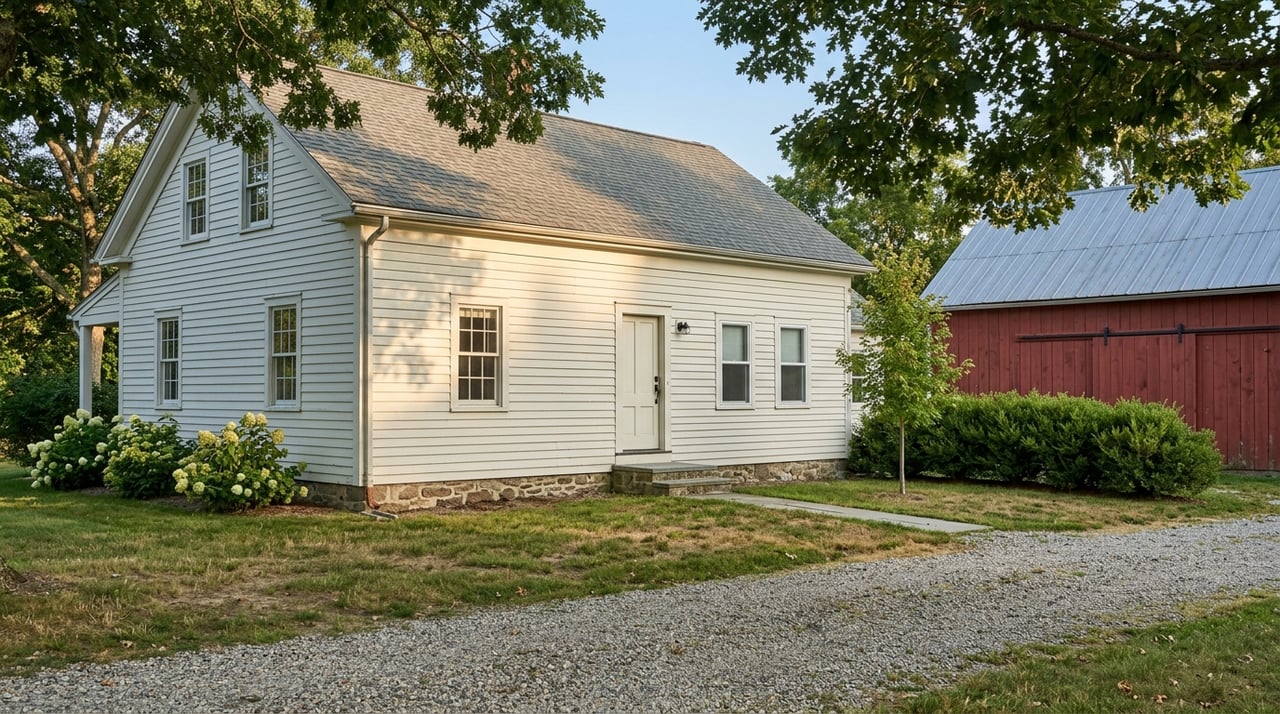
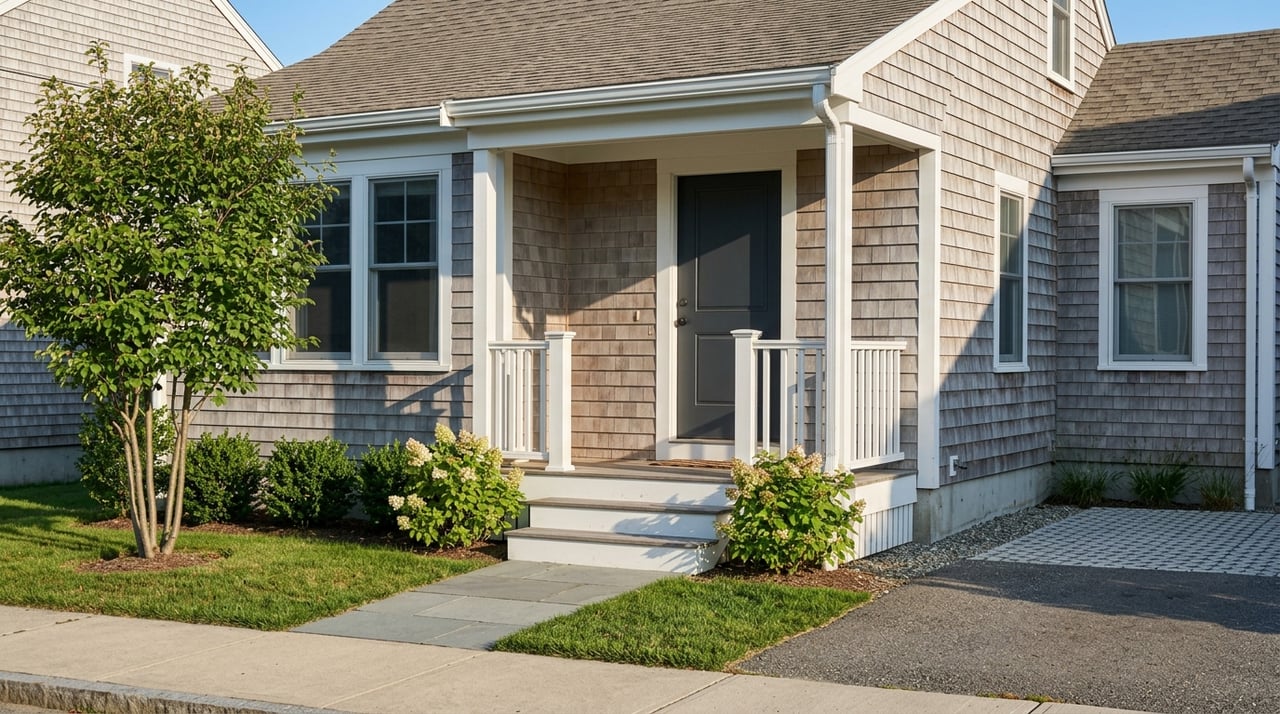
Elsewhere, areas such as Bliss Corner are described as residential neighborhoods, while inland sections often lean more toward older single-family homes, historic village homes, and larger-lot properties. Dense multifamily housing is not the dominant feel in most of Dartmouth.
What that means for buyers
If you are shopping in Dartmouth, it helps to start with your routine rather than just square footage. Ask yourself whether you want beach access, a harbor setting, more land, easier shopping access, or a shorter drive to major roads.
That approach usually leads to better decisions than searching the whole town as if every neighborhood functions the same way. Dartmouth rewards buyers who match the home to the lifestyle they actually want to live.
What everyday life often looks like
For many residents, daily life in Dartmouth is a blend of convenience and space. You may spend weekdays driving to work, running errands in North Dartmouth, and using the highway network for regional access.
Then on weekends, the pace can shift. That might mean heading to the beach, biking part of the 34-mile Dartmouth Heritage Trail, visiting a farm stand, or spending time near conservation land.
This mix is what gives Dartmouth much of its appeal. It offers practical infrastructure for year-round living, but it still holds onto a strong coastal and open-space identity.
Who tends to like Dartmouth most
Dartmouth often makes sense for buyers who want options. If you want a town where you can find coastal settings, established owner-occupied neighborhoods, rural stretches, and commercial convenience without choosing a completely urban environment, Dartmouth checks a lot of boxes.
It can also work well if you value a local market with several distinct subareas. Instead of one uniform housing experience, you get a town where lifestyle can shift meaningfully from village to village and corridor to corridor.
That said, the best fit depends on how you live. If your routine depends on walk-everywhere urban density, Dartmouth may feel more car-oriented than you want. If you like variety, space, and access to both coastline and everyday essentials, it can be a strong match.
If you are weighing Dartmouth against other South Coast towns, the key is to compare not just prices but daily patterns. If you want help sorting through those tradeoffs and finding the right fit for your goals, reach out to Zach Midwood.
FAQs
What is daily life like in Dartmouth, MA for homeowners?
- Daily life in Dartmouth often combines a year-round residential feel with coastal and rural amenities, and the town’s 76.0% owner-occupied housing rate suggests a strong owner-occupant presence.
What is the commute like from Dartmouth, MA?
- Dartmouth is mostly car-oriented, with a mean commute time of 26.6 minutes and key access through Route 6, Route 140, and I-195.
What part of Dartmouth, MA is best for errands?
- North Dartmouth is the main area for errands and shopping, with major retail concentrated around Route 6 and Faunce Corner Road.
What is Padanaram like for daily living in Dartmouth, MA?
- Padanaram has a harbor-centered lifestyle with waterfront activity, boat traffic, and seasonal bridge openings that can affect local driving routines.
Does Dartmouth, MA have beaches and outdoor space?
- Yes, Dartmouth has beaches, parkland, conservation areas, and the 34-mile Dartmouth Heritage Trail, with town materials noting that about 28% of the land area is permanently protected.
What types of homes are common in Dartmouth, MA?
- Housing varies by area, but buyers will generally find a mix of waterfront single-family homes, historic village houses, condominiums in some coastal settings, and older single-family homes or larger-lot properties inland.