Thinking about trading New Bedford’s city scale for Marion’s coastal pace? The change is real, and it shows up in everything from home prices to commute patterns to the kind of housing you’ll actually find on the market. If you’re weighing the move, this guide will help you compare the two places in practical terms so you can plan your budget, search, and daily routine with fewer surprises. Let’s dive in.
Marion Feels Smaller and More Residential
One of the biggest changes is scale. Marion has 5,341 residents, while New Bedford has 101,318. That difference alone can reshape how your day-to-day life feels, from traffic patterns to the pace of errands and neighborhood activity.
Homeownership also plays a much bigger role in Marion. The owner-occupied housing rate is 90.8% in Marion, compared with 40.3% in New Bedford. In simple terms, Marion is much more owner-occupied and much less rental-oriented.
The population mix changes too. In Marion, 27.3% of residents are 65 and older, and 16.7% are under 18. In New Bedford, 15.4% are 65 and older, and 23.9% are under 18, which helps explain why Marion often feels quieter and more settled by comparison.
Housing Stock Changes Fast
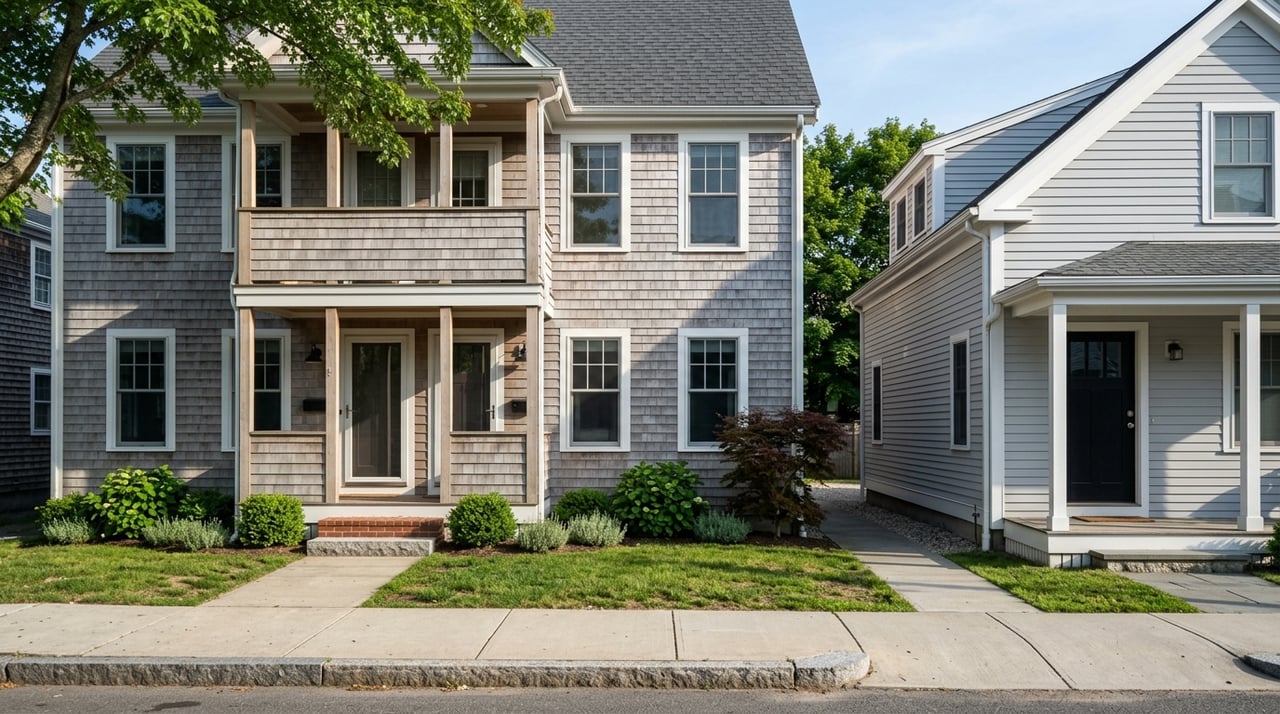
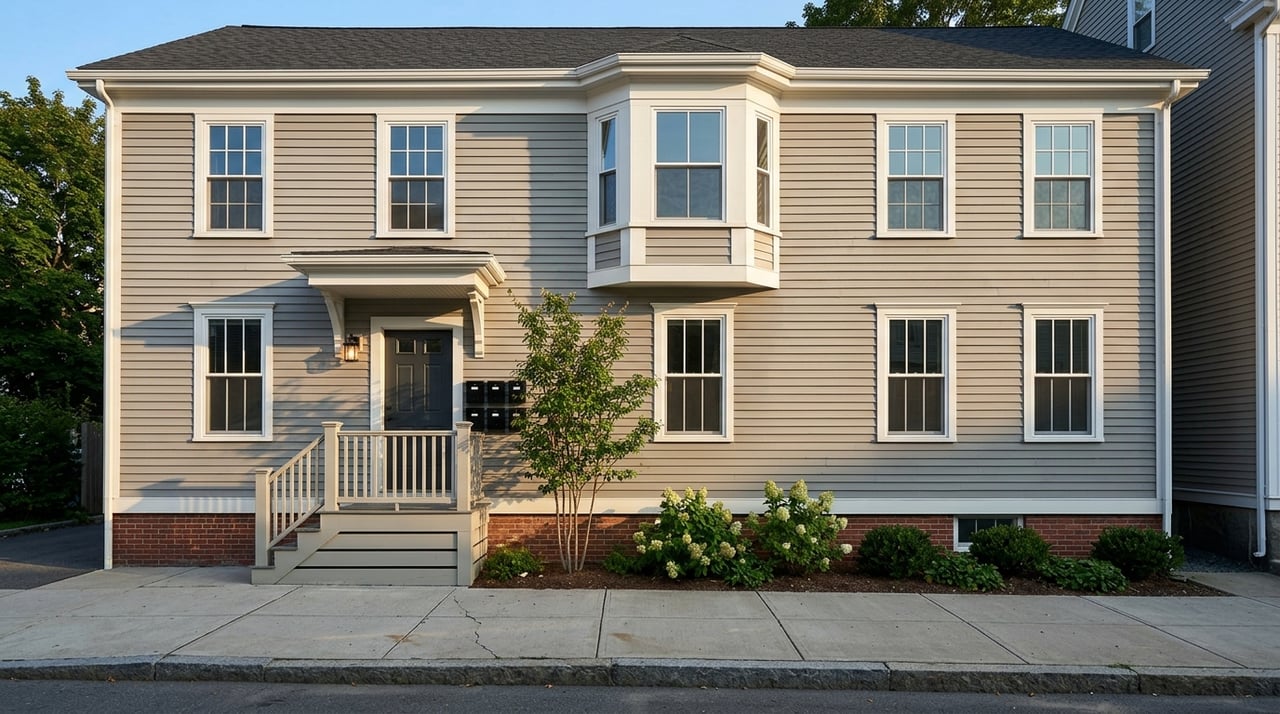
If you are used to New Bedford’s housing mix, Marion will likely feel very different right away. New Bedford’s housing stock is heavily tied to attached and multifamily properties, while Marion is dominated by detached single-family homes. That means your home search will probably shift from comparing unit layouts and shared-building setups to comparing lot size, condition, and exterior maintenance.
In New Bedford, 34% of housing is single-family, 46% is in two- to four-family properties, and 19.5% is in buildings with five or more units. In Marion, 92% of housing is single-family, 3.9% is in two- to four-family properties, and 4.07% is in buildings with five or more units. For many buyers, that is one of the clearest lifestyle differences between the two markets.
The age of the housing stock also shifts. In New Bedford, 51% of units were built before 1939 and only 2.9% since 2000. In Marion, 14% of homes were built before 1939 and 14% since 2000, so you may see a wider mix of newer homes and newer systems than you are used to in New Bedford.
Prices Move Up in Marion
For most buyers, the biggest adjustment is cost. Marion’s median owner-occupied home value is $653,500, while New Bedford’s is $357,300. That gap can affect not just your purchase budget, but also your down payment, reserves, and what level of updates you can comfortably take on.
Current listing snapshots show the same pattern. Realtor.com’s April 2026 market summary for New Bedford shows 121 active listings and a median listing price of $440,000. Marion’s January 2026 snapshot shows only 15 homes for sale and a median listing price of $1,249,950.
That smaller inventory matters. In New Bedford, you may be used to a broader spread of price points and property types. In Marion, the search is typically narrower, and buyers often need to be more selective about what trade-offs they can accept.
Your Monthly Costs Usually Rise
The price jump is only part of the story. Ongoing ownership costs also tend to run higher in Marion. Census data shows median monthly owner costs with a mortgage at $2,835 in Marion versus $2,041 in New Bedford.
Even without a mortgage, carrying costs are higher in Marion. Median monthly owner costs without a mortgage are $1,059 in Marion and $830 in New Bedford. If you are moving to simplify your housing costs, this is an important number to keep in mind.
Interestingly, rent is much closer between the two places. Median gross rent is $1,176 in Marion and $1,137 in New Bedford. So while buying in Marion usually means a much bigger financial leap, rent data does not show the same dramatic spread.
Property Taxes Add Another Layer
Taxes deserve a close look before you make the move. Marion’s FY2026 tax rate is $8.87 per $1,000 of assessed value. Applied to Marion’s median owner-occupied value, that works out to about $5,797 per year.
In New Bedford, reporting on the city’s 2026 tax classification hearing says the average single-family tax bill is $4,653, up from $4,284 in 2024. That does not mean every home in Marion will cost more in taxes than every home in New Bedford, but it does show how the overall carrying-cost floor can rise when you move into a higher-value market.
If you are moving up from New Bedford to Marion, it helps to underwrite the move carefully. Focus on purchase price, monthly payment, taxes, insurance, and maintenance together, not just the asking price.
Inventory Gets Tighter
The move from New Bedford to Marion is not just about paying more. It is also about having fewer choices. New Bedford’s recent snapshot showed 121 active listings, while Marion showed just 15.
That difference can change how you shop. In a smaller market, each listing tends to carry more weight, and buyers often spend more time deciding whether a property matches their lot, condition, and lifestyle goals. You may need to stay patient and act decisively when the right fit appears.
Marion’s January 2026 market snapshot was classified as balanced. Even so, the limited number of homes available can still make your search feel tight compared with what you may be used to in New Bedford.
Commuting Becomes More Car-Oriented
Your transportation routine may change too. South Coast Rail Phase 1 restored commuter rail service to New Bedford, including station locations in the city. Marion is not listed among the Phase 1 station locations, so rail access is less direct from Marion.
Commute times also trend longer in Marion. Census travel-to-work data shows a mean commute of 33.5 minutes in Marion and 24.7 minutes in New Bedford. If you currently rely on easier city access or direct rail service, this is worth planning around.
For many households, that means more driving as part of daily life. Before you move, it helps to test your likely routes at realistic times of day so your housing decision fits your work and routine.
Daily Life Feels More Coastal
Marion’s day-to-day lifestyle also shifts toward the waterfront. The town’s beaches page lists Silvershell Beach, Planting Island, and Oakdale Avenue as resident-access beaches with privilege stickers. That points to a local setup built more around resident access and town amenities.
The town’s harbormaster manages mooring, boat berth, dinghy rack, and kayak rack wait lists. The Highway Division also maintains beaches, boat ramps, conservation land, and other public grounds. Together, those details show how Marion’s public life is shaped by the coast in a way that differs from New Bedford’s denser urban pattern.
That does not make one place better than the other. It just means the rhythm of everyday life changes. If access to coastal amenities and a more residential setting matters to you, Marion may line up well with that goal.
What This Means for Buyers
If you are moving up in price, Marion usually means a larger down payment and higher monthly ownership costs. You are also likely shopping in a market with fewer listings and a stronger emphasis on detached homes. That can make planning and timing more important.
If you are downsizing from a larger property or simplifying your lifestyle, the key question is often whether Marion’s coastal setting and slower pace justify the narrower inventory and higher carrying costs. For some buyers, the answer is yes. For others, New Bedford’s broader inventory and lower entry point remain the better fit.
The best approach is to compare both markets with clear numbers and realistic expectations. When you know what changes in housing type, cost, taxes, and commute, you can make the move with a lot more confidence.
If you are weighing a move from New Bedford to Marion and want practical guidance grounded in SouthCoast market realities, Zach Midwood can help you compare options, pressure-test your budget, and plan your next step.
FAQs
How does Marion housing compare with New Bedford housing?
- Marion is far more single-family focused, with 92% single-family housing, while New Bedford has more attached and multifamily stock, including a large share of two- to four-family properties.
Is Marion more expensive than New Bedford for homebuyers?
- Yes. Census data shows Marion’s median owner-occupied home value at $653,500 versus $357,300 in New Bedford, and listing snapshots also show a much higher median listing price in Marion.
Are property taxes higher in Marion than New Bedford?
- Marion’s FY2026 tax rate is $8.87 per $1,000 of assessed value, and that works out to about $5,797 annually on the town’s median owner-occupied value. Reporting from New Bedford’s 2026 tax classification hearing says the average single-family tax bill there is $4,653.
Is commuting from Marion different from commuting from New Bedford?
- Yes. New Bedford has South Coast Rail Phase 1 service, while Marion does not have a listed Phase 1 station location. Census data also shows a longer mean commute in Marion.
What changes most in daily life when moving from New Bedford to Marion?
- Many buyers notice a smaller-town setting, more detached homes, a more car-oriented routine, and stronger day-to-day ties to coastal amenities like resident-access beaches and boating infrastructure.